homestate Georgia
By Ben Everidge for Thomas
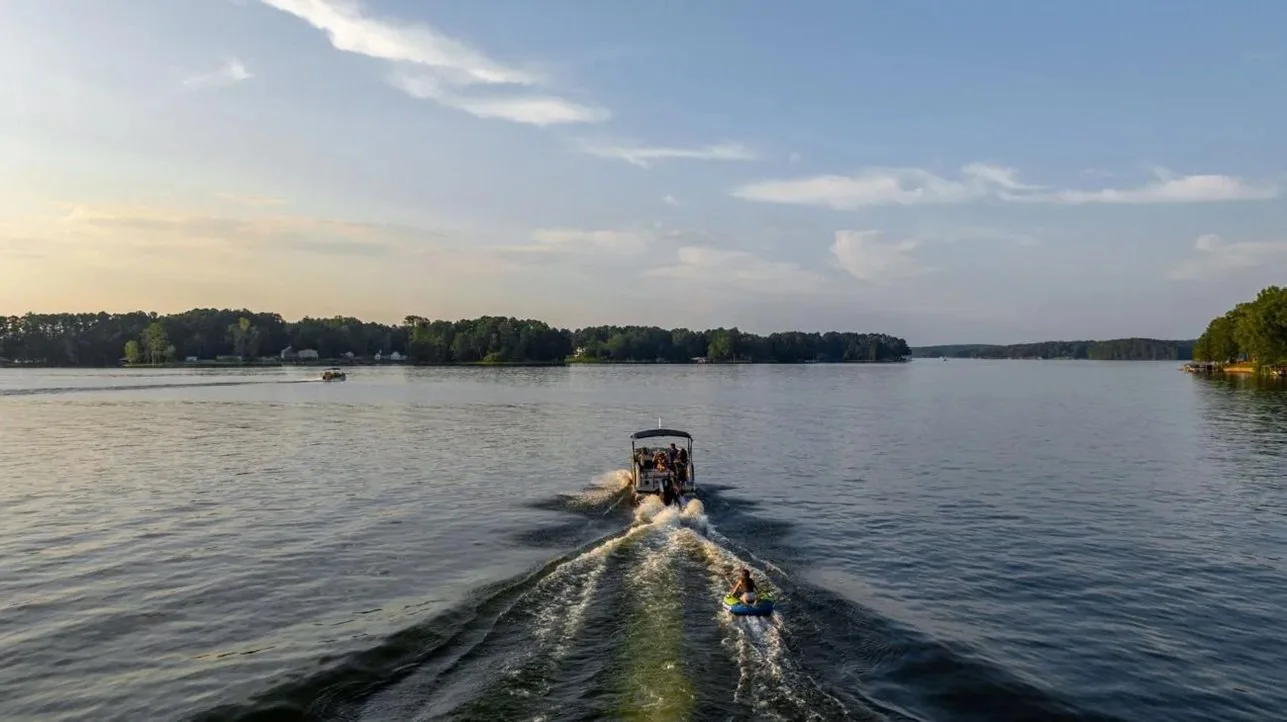
Photo Credit: Explore Georgia
A Surprise Turn on the State’s Utility Grid
In Georgia’s November 4th special election for two seats on the Georgia Public Service Commission (PSC), Democrats flipped both seats previously held by Republicans.
Candidates Alicia Johnson (District 2) and Peter Hubbard (District 3) won strongly, securing roughly 63% or more of the vote in each race.
This marked the first time Democrats in Georgia had won any statewide non-federal office since 2006, a major breakpoint in a state long dominated by Republicans.
Why It Matters
Policy-control leverage: These PSC seats govern utility regulation – a high-stakes issue as energy costs, data center growth, and grid expansion become major voter concerns. The shift signals that regulatory power is now contested ground, not safe GOP territory.
Midterm bellwether: Because statewide offices in Georgia will be on the line in 2026 with the governor and Senate, the PSC result serves as an early gauge of Democratic potential and momentum in a battleground state.
Suburban/metro reshaping: These wins were amplified in metro Atlanta and other populous counties, suggesting that demographic and regional shifts may be reshaping Georgia’s political map more quickly than many realize.
Base morale and turnout test: Off-year, low-turnout victories may show that motivated voters can swing utility and down-ballot races, which may scale in 2026 into bigger contests.
The Thomas Take
Georgia’s PSC flips say: no safe houses left. Republican dominance in the state is increasingly vulnerable when issues like energy, regulation, and cost of living get real. For Democrats, it’s a foothold. For Republicans, a warning: maintaining control may demand adaptation, not just defense.
georgia at the Crossroads: 10 Issues That Define the peach state’s Future
“Georgia burns hot with talent, tension, and the promise of something new. The fight for its future isn’t North versus South anymore. It’s whether growth can finally bring grace.”
- Ben Everidge
Georgia has become a mirror of modern America. Dynamic, divided, decisive. Once defined by cotton and conservatism, the state is now a hub of commerce, culture, and competition, where film studios, global businesses, and political movements all collide. From Atlanta’s booming skyline to the small towns fighting to keep their schools and hospitals open, Georgia’s future will determine much about the nation’s. The question is whether the Peach State can balance growth and equity, progress and tradition, independence and identity, all while holding together its increasingly complex social fabric.
1. Economic Expansion and Inequality
Georgia’s economy is among the fastest growing in the country, driven by logistics, technology, film, and manufacturing. Yet that growth remains uneven, with prosperity clustered around metro Atlanta and poverty persistent across rural counties. Bridging this divide is central to Georgia’s stability.
2. Housing Affordability and Urban Growth
Atlanta’s success has brought soaring rents, rising home prices, and gentrification. Suburban counties face sprawl, traffic, and infrastructure strain. The challenge ahead is building affordable, connected communities without pricing out the very workers who sustain them.
3. Transportation and Infrastructure Modernization
Hartsfield-Jackson remains the world’s busiest airport, but Georgia’s roads, transit systems, and broadband networks lag behind its growth. Federal investment presents an opportunity for state leaders to coordinate across regions and politics.
4. Education and Workforce Readiness
Georgia’s university system is a national leader, but K-12 outcomes and rural access remain uneven. Strengthening technical training and STEM programs could position Georgia for sustained innovation and upward mobility.
5. Healthcare Access and Rural Hospital Closures
Dozens of rural hospitals have shuttered in the past decade, leaving communities without essential care. Expanding Medicaid and improving regional healthcare networks remain politically charged but economically necessary for the state’s future health.
6. Energy Transition and Environmental Resilience
Georgia’s coastline faces rising seas, while inland droughts and storms test resilience. The state is also emerging as a clean-energy leader with EV manufacturing, solar investment, and green logistics reshaping its industrial base.
7. Political Polarization and Voter Trust
Georgia has become a political battleground that reflects America’s divisions – urban versus rural, old versus new. Strengthening election integrity, transparency, and civic trust will determine whether Georgia leads the way toward a more functional democracy or deepens national fracture.
8. Crime, Justice, and Community Confidence
Rising crime rates in Atlanta and other cities have reignited debates over policing reform and equity. Building safe, just, and trusted communities requires balancing accountability with compassion and leadership beyond slogans.
9. Immigration, Diversity, and Identity
Georgia’s growing immigrant population fuels its workforce and enriches its culture, but it also tests infrastructure and identity. How the state embraces its diversity will define its social and political future.
10. Culture, Media, and the New South
From film production to music and tech startups, Georgia is rewriting the story of the South. Whether that new narrative is inclusive and sustainable, or consumed by the same old divisions, will determine if the Peach State’s progress becomes permanent.

The Thomas Take
Georgia sits at the crossroads of the American experiment, where race, religion, business, and belief all meet in motion. The Peach State’s power lies in its people: hardworking, creative, and resilient. If Georgia can unite its economic success with social fairness, it could once again show the nation what renewal looks like, not from Washington or Wall Street, but from the heart of the New South.
To learn more about Georgia’s issues, read: