role reversal
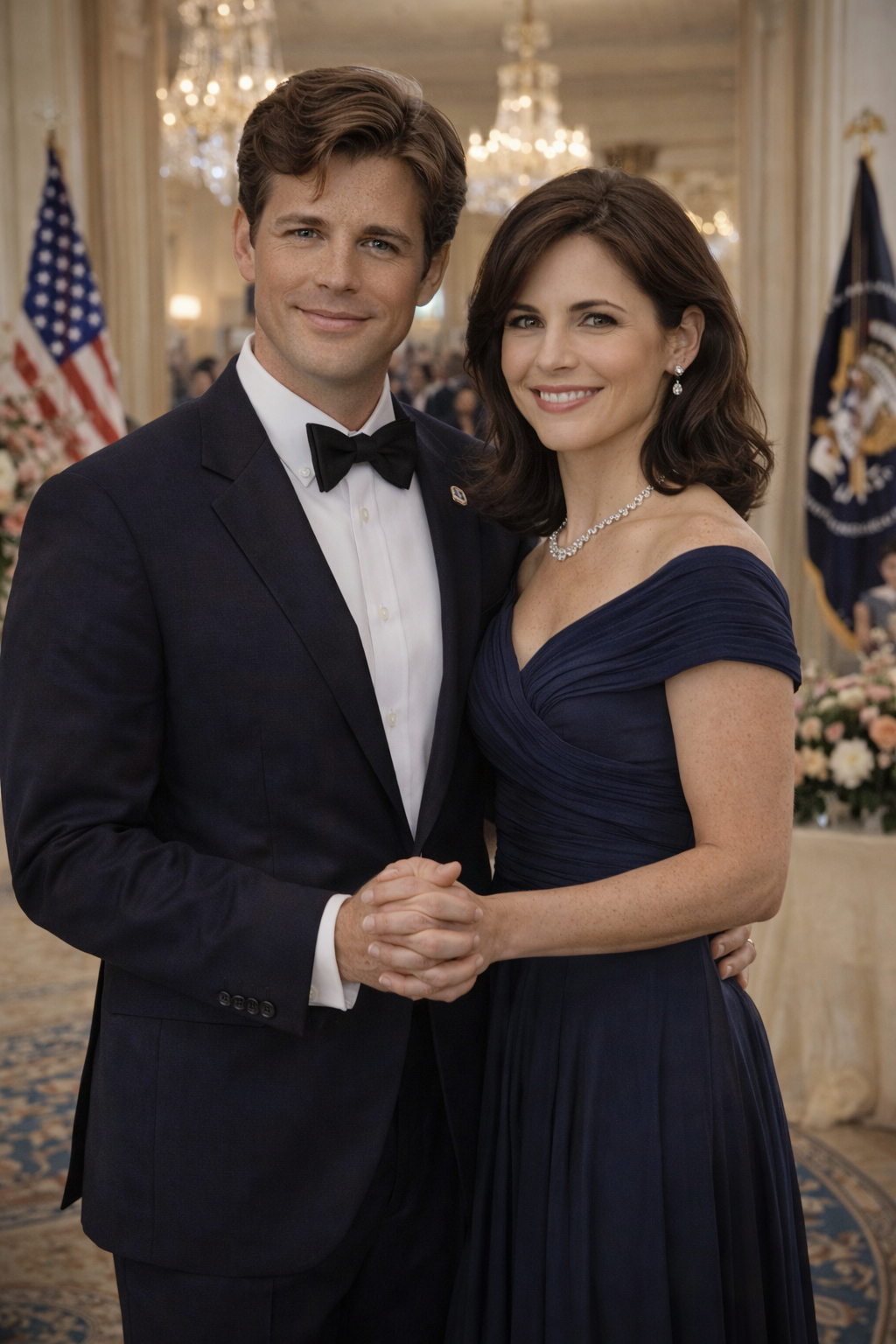
The Fictional President & Dr. Greyson Courtesy of Ben Everidge | Cannon & Caius
Ben Everidge for Thomas
Photo Credit: Cannon & Caius with AI
Jefferson & Madison and the Case for an Independent Presidency …
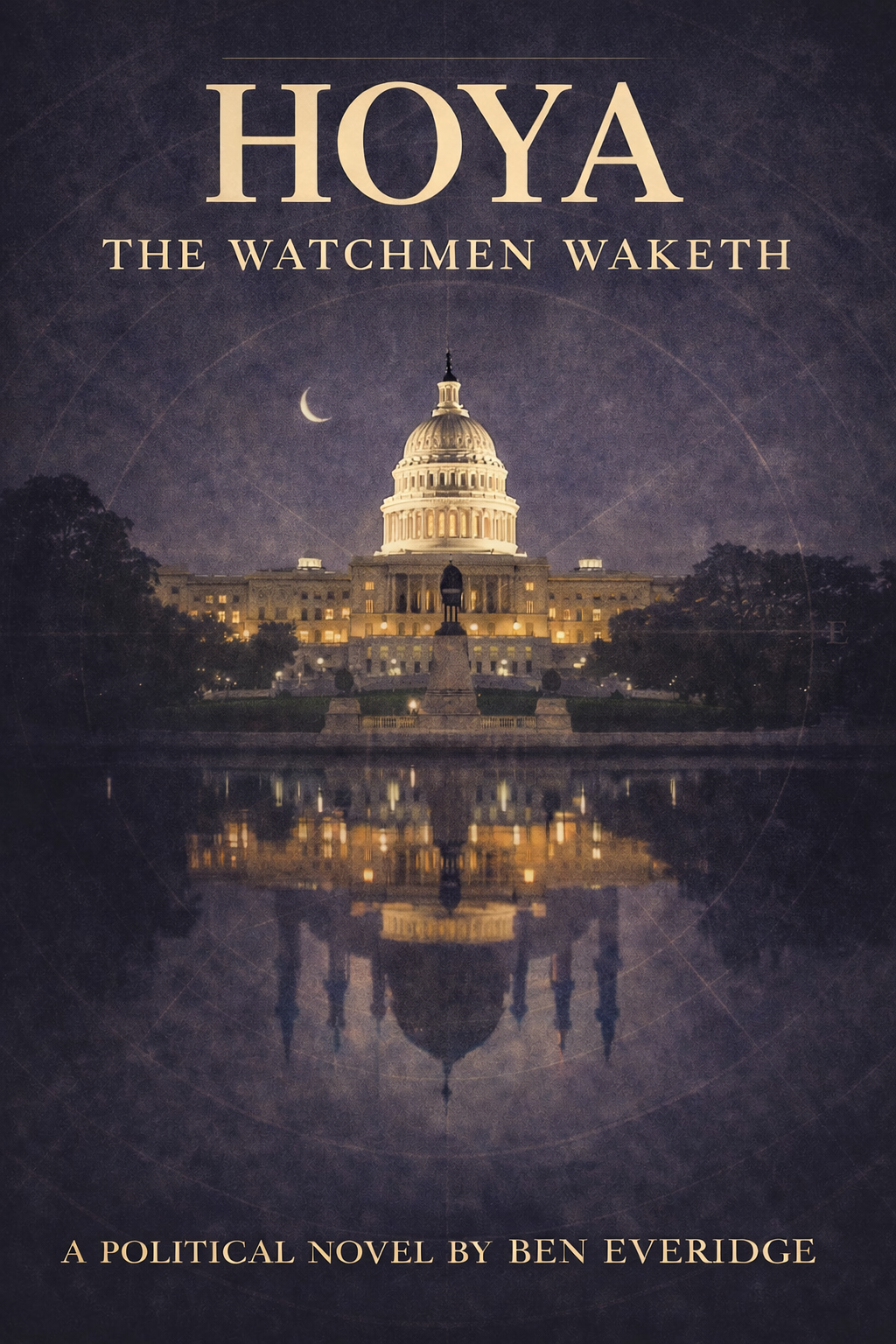
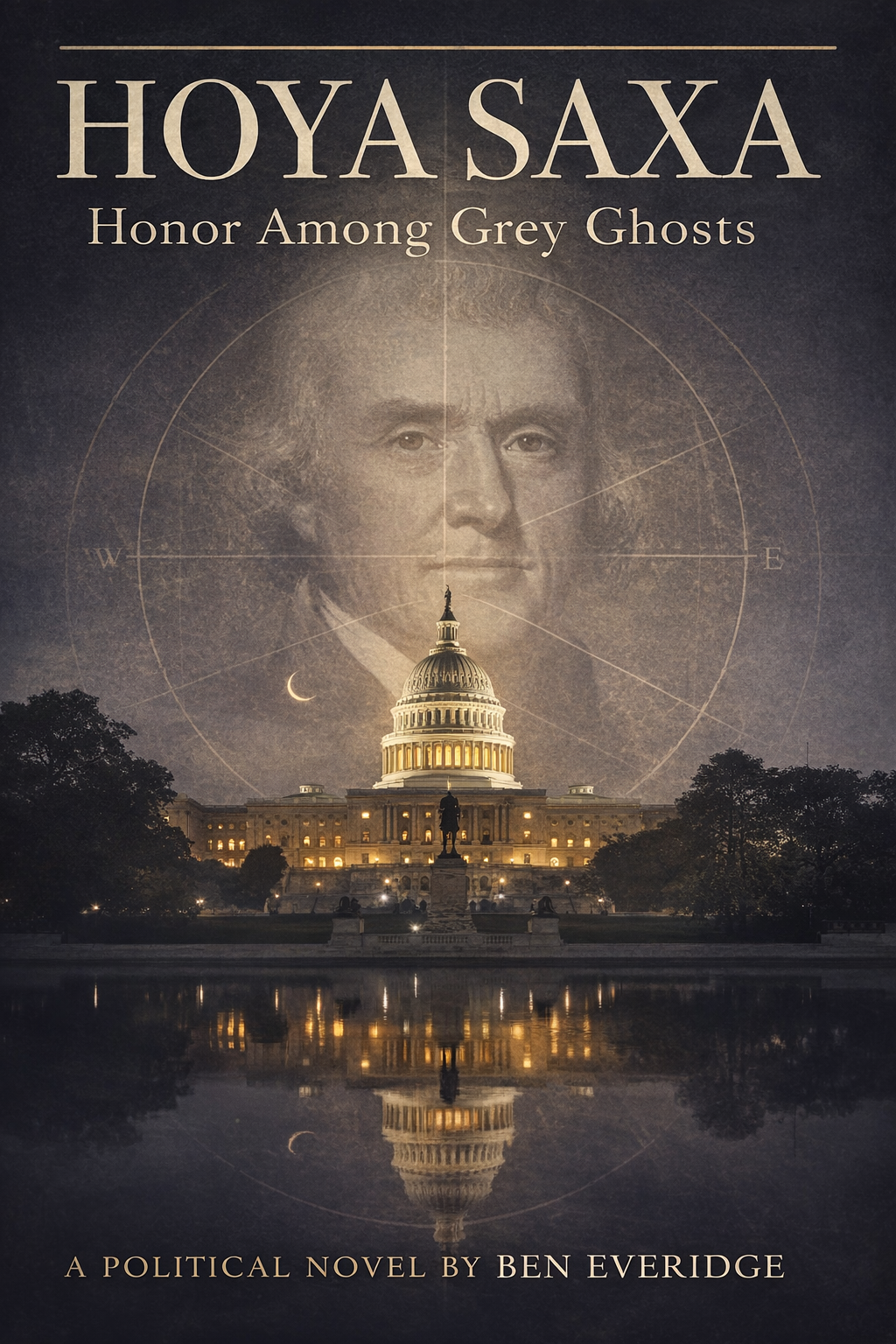
In my Hoya political novel series, a fictional 47th president of the United States, a decorated naval aviator and former independent governor, uncovers a secret brotherhood sworn to defend the Constitution when institutions fail, forcing him to choose between governing in the open and protecting the Republic from the shadows.
In addition to being a politically independent elected official, the fictional president Zachary Greyson models his service on the principles articulated by Thomas Jefferson, author of the Declaration of Independence, and James Madison, the father of our American Constitution.
In my books, President Greyson believes that America’s crises are not ideological but constitutional. And no two figures are better suited to frame that truth than Thomas Jefferson and James Madison together.
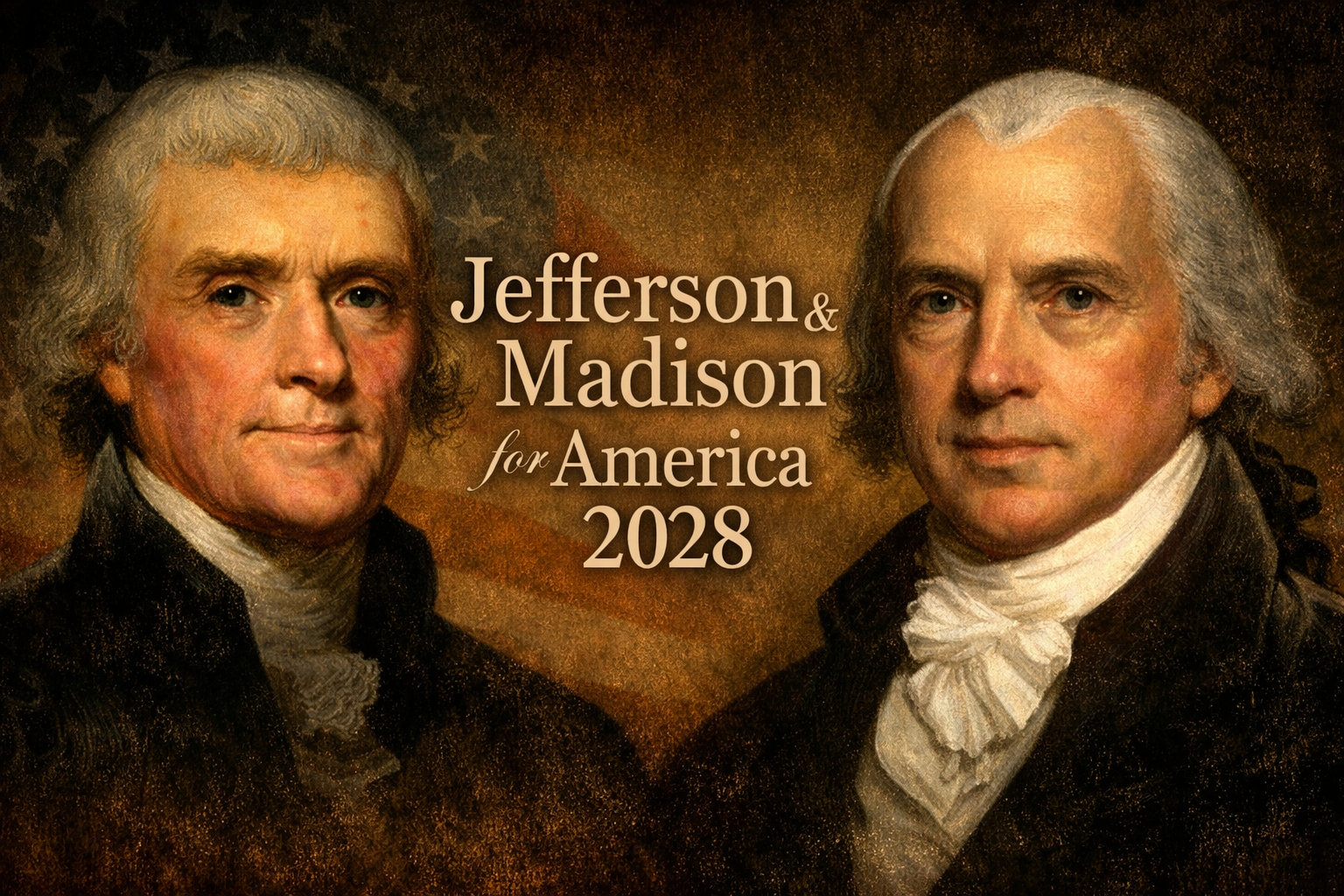
Jefferson supplied the moral vision of liberty.
Madison supplied the structural discipline to preserve it.
Separated, they are often misunderstood. But taken together, they offer the most precise blueprint for what an independent presidency might actually look like in an age of party excess, executive overreach, and institutional desecration.
Our newest offering, Jefferson & Madison for America 2028, is not a brand exercise. It is a governing argument.
Why Jefferson and Madison, Not One Without the Other
Modern politics suffers from a dangerous imbalance these days:
Current politicians elevate personality over restraint.
Progressive managerialism elevates bureaucracy over consent.
Jefferson warned against consolidated power and civic corruption.
Madison warned against faction, demagoguery, and institutional decay.
Today’s America is suffering from failures on both fronts, which my fictional president must address.
But in the real world, that is why this moment in American history demands Jefferson’s vigilance and Madison’s architecture.
Role Reversal Begins with the Constitution
A Jefferson-Madison independent presidency would begin where both men insisted all legitimacy must begin: the Constitution as an operating system, not a political ornament.
That means:
Restoring the separation of powers.
Ending government-by-spectacle.
Reasserting Congress as a coequal branch, not a recess-prone bystander.
Defending independent institutions while subjecting them to lawful oversight.
Jefferson, historians and political scientists will tell you, feared tyranny. Madison, they will add, feared chaos masquerading as freedom.
America, Greyson realized, now faces both - fictionally as well as in reality.
Stopping Civic Desecration and Political Vandalism
Neither Jefferson nor Madison believed public institutions existed to glorify leaders. They believed institutions existed to restrain leaders.
An independent president guided by their principles would:
End the personalization of national civic spaces (no ballroom, no arch, no partisan monuments).
Restore the John F. Kennedy Center for the Performing Arts to its nonpartisan civic purpose.
Reaffirm that shared institutions belong to the people, not to any president or party.
This is not aesthetics. It is legitimacy.
Foreign Policy: Madisonian Restraint, Jeffersonian Prudence
Jefferson favored peace, commerce, and honest friendship.
Madison understood alliances, the balance of power, and constitutional war powers.
Together, they argue for:
Strong alliances, especially with NATO.
Diplomacy without humiliation.
Trade discipline aimed at adversaries, not allies.
An end to chaotic signaling that fractures trust.
An independent president would reject imperial theatrics and restore predictability as a strategic asset.
Economic Governance Without Ideological Theater
Jefferson distrusted concentrated financial power.
Madison insisted on rules and guardrails.
A Jefferson-Madison approach would:
End inflationary tariff wars.
Restore fiscal discipline across both parties.
Demand congressional accountability for exploding deficits.
Align economic policy with productivity, stability, and domestic resilience.
This is not left or right economics. It is republican economics in the classical sense.
Immigration: Lawful, Humane, Constitutional
Both men believed laws must be enforced and improved when broken.
An independent president would:
Enforce existing law consistently.
End executive freelancing without congressional authorization.
Force Congress to legislate, not posture.
Separate enforcement from spectacle.
Jefferson distrusted cruelty. Madison distrusted chaos.
It should be noted that so do most Americans.
Justice, Power, and the End of Weaponization
Jefferson feared politicized courts.
Madison feared unchecked executive power.
Together they demand:
Clear firewalls between the White House and the Department of Justice.
No retaliatory investigations, regardless of target.
Equal application of the law.
Institutional humility.
Justice must be tedious, predictable, and fair to be trusted.
Elections and Representation
Madison, the architect of the Constitution, would be unequivocal:
No threats to elections.
No mid-decade gerrymandering for partisan gain.
No rhetorical sabotage of democratic legitimacy.
An independent president would protect elections, not intimidate them.
Why This Matters Now
America does not need a strongman.
It does not need technocracy.
It needs constitutional adults.
Jefferson reminds us why liberty matters.
Madison reminds us how liberty survives.
Jefferson & Madison for America 2028 is a role reversal away from grievance, chaos, and consolidation and back toward stewardship, balance, and legitimacy.
That is not nostalgia. That is a necessity.
Thomas publishes for readers who understand that the republic was not designed to run on personality and that restoring it requires both principle and structure.