The Great Constitutional Joust

Image: Generated by AI for Thomas
Trump vs. Congress and Who Holds the Advantage in Washington’s Next Two Years?
With Democrats controlling both chambers of Congress and Donald Trump promising to become “Mr. Veto,” America enters a contest of constitutional power that could produce accountability, compromise, or two years of paralysis.
The Two Titans
The political lances are raised.
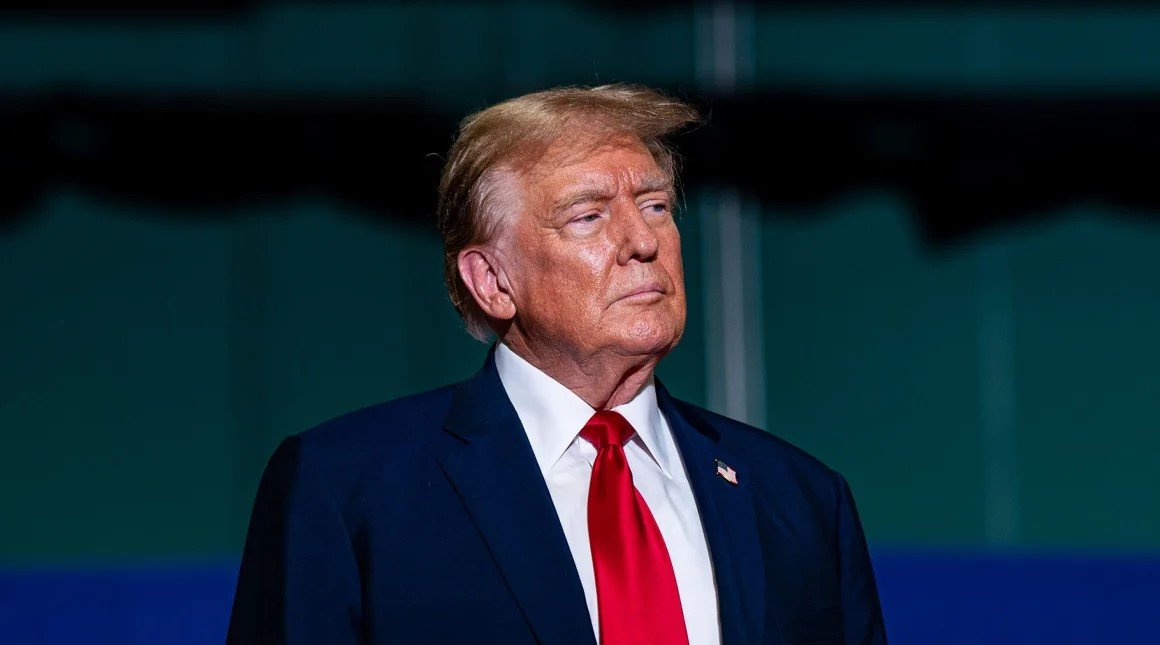
At one end of Pennsylvania Avenue stands President Donald Trump, politically wounded by the 2026 midterm elections but still commanding the executive branch of the United States government.
At the other stands an incoming Democratic Congress, emboldened by its electoral victory and equipped with powers that Republicans largely controlled during Mr. Trump’s first two years back in the White House.
Both possess formidable constitutional weapons. Neither possesses an unlimited ability to use them.
Trump has already signaled his approach. In an election-day afternoon interview with CBS News, he welcomed the description “Mr. Veto,” emphasizing his ability to reject legislation from a Democratic Congress. He also suggested that vetoes might eventually produce negotiated agreements.
Democrats, meanwhile, are preparing to exercise congressional oversight, investigate administration conduct, and challenge policies they believe contributed to Republican electoral losses. The incoming chair of one key House committee in this process even went so far as to post the ominous message, “Lawyer Up.”
The question is no longer whether Washington will experience confrontation. It is whether confrontation will become a means of governing, or a substitute for it.
Trump’s Advantage | The Power to Say No
The president enters this context with an extraordinary defensive weapon: the veto.
Under Article I, Section 7 of the Constitution, legislation ordinarily requires presidential approval to become law. Congress may override a veto, but only with two-thirds support in both chambers.
Democrats do not possess those supermajorities.
Consequently, Trump can reject Democratic legislation on taxes, healthcare, immigration, economic regulation, and other major issues unless sufficient Republicans join Democrats to override him.
That makes his veto an effective barrier against unwanted statutory changes. But it carries a disadvantage.
A president who repeatedly vetoes legislation addressing public concerns may be required to explain to voters why he rejected those proposals.
Democrats can place legislation before him, publicize its provisions, and demand an alternative.
Trump can prevent a bill from becoming law. He cannot necessarily prevent the resulting negative political debate.
Congress’s Advantage | The Power of the Purse
If the veto is Trump’s shield, appropriations are Congress’s principal bargaining weapon.
Article 1 gives Congress authority over federal taxation and spending. The executive cannot simply spend whatever it wishes without lawful appropriations.
A Democratic House and Senate can shape funding bills, reject proposed expenditures, impose lawful conditions, and scrutinize federal programs.
Congress can also refuse to enact new statutory authority the administration requests.
But the power of the purse has limitations.
Congress cannot automatically cancel every existing expenditure or ignore binding statutory obligations. Spending restrictions must themselves satisfy constitutional requirements and become law. Appropriations legislation also remains subject to a presidential veto.
If neither side agrees, funding lapses and government shutdowns may follow.
The approaching fiscal negotiations and potential debt ceiling confrontation could therefore become the first major test of the new balance of power.
Congress can withhold agreement. Trump can withhold his signature. Neither can responsibly pretend that the resulting consequences belong exclusively to the other.
Trump’s Advantage | Executive Authority
Even without congressional cooperation, Trump retains significant authority over the executive branch.
He can direct federal agencies within the law, issue executive orders, supervise administration policy, conduct diplomacy, and exercise substantial national security responsibilities.
His administration has reportedly examined ways to continue advancing policies on immigration, trade, housing, and federal spending through existing executive authority.
This gives Trump considerable room to act without new legislation. Yet executive orders are not substitutes for statutes.
They cannot lawfully authorize spending Congress has not provided, override constitutional protections, or create powers the president does not possess.
Administrative actions may also face statutory procedures and judicial review.
The president’s advantage is therefore real but bounded. He can continue governing through existing authority. He cannot simply replace Congress.
Congress’s Advantage | Oversight & Investigation
Democratic control of congressional committees creates another formidable challenge for the White House.
Committee chairs can schedule hearings, demand documents, seek testimony, and issue subpoenas within their lawful investigative authority.
Investigations may examine executive spending, conflicts of interest, immigration enforcement, military operations, administrative decisions, and allegations of misconduct.
Congress also possesses impeachment authority.
The House may impeach federal civil officers by majority vote. The Senate conducts impeachment trials, with conviction requiring two-thirds of senators present. But congressional oversight is not unlimited.
Subpoenas may be contested.
Executive privilege disputes may reach the courts.
Congress cannot assume every demand will be enforced immediately, particularly when executive officials resist cooperation.
Nor does impeachment automatically result in removal.
Democrats can compel difficult public questions. They cannot presume the answers or the outcome of constitutional proceedings.
The Senate’s Special Advantage | Confirmations
Democratic control of the Senate may prove particularly consequential.
The president nominates federal judges, Cabinet officers, ambassadors, and other officials whose appointments require Senate advice and consent.
The Senate can approve, reject, or delay many of those nominations.
A Supreme Court vacancy would present an especially consequential confrontation.
Trump could nominate a justice. A Democratic Senate could decline to confirm the nominee.
The same institutional conflict could affect executive and lower-court appointments.
The president retains some alternatives involving acting officials and temporary appointments, but those options face legal restrictions.
The practical consequence is straightforward.
Trump will continue directing the executive branch, but filling important positions may become considerably more difficult.
The Hidden Weapon | Public Opinion
Constitutional powers determine what each institution may do.
Public opinion influences the political consequences of doing it.
Trump can argue that congressional Democrats are obstructing his administration. Democrats can argue that the president is preventing them from addressing affordability, healthcare, corruption, and other voter concerns.
Both arguments will be tested against actual performance.
If Democrats concentrate exclusively on investigations while neglecting legislation, they may encounter criticism.
If Trump rejects proposals without offering credible alternatives, he may face similar scrutiny.
Neither side can rely indefinitely on blaming the other. The public may tolerate constitutional disagreement. It is less likely to welcome recurring fiscal crises, unresolved economic difficulties, and government operations disrupted by avoidable political confrontation.
What Happens If Nobody Compromises?
The most serious consequence of prolonged confrontation would not be the defeat of one party’s agenda.
It would be the erosion of the government’s capacity to address national responsibilities.
Americans could encounter recurring shutdown threats, delayed budgets, prolonged confirmation disputes, aggressive investigations, extensive litigation, and competing executive and legislative initiatives.
Economic policy could become increasingly unpredictable. Congressional oversight of foreign military commitments could intensify. Immigration policy might remain contested between executive action, congressional funding decisions, and judicial rulings.
Meanwhile, questions involving healthcare affordability, housing, federal debt, infrastructure, and technological competitiveness could receive less sustained legislative attention.
This bleak scenario has limits.
Existing laws remain operative unless changed or invalidated.
Many government services continue under standing legal authority.
Courts remain available to resolve appropriate disputes. And political opponents can still negotiate individual agreements without embracing one another’s broader agendas.
Divided government does not require paralysis, but it creates conditions in which paralysis becomes a recurring possibility.
Who Has the Upper Hand?
Neither institution possesses a decisive constitutional advantage across every issue.
Trump has greater freedom to direct executive operations and prevent unwanted legislation. Democrats possess greater leverage over congressional priorities, appropriations, oversight, and confirmations.
The president can block. Congress can constrain. The courts can adjudicate disputes within their jurisdiction. The electorate can ultimately judge both.
The advantage will vary by issue, applicable law, political circumstances, and officials' willingness to negotiate.
The Constitution deliberately prevents either side from possessing every weapon.
That is not a flaw. It is part of the design.
The Republic Is Not a Tournament
Something is compelling about imagining the next two years as a jousting match between political titans.
Trump raises the veto. Congress raises the power of the purse. Subpoenas answer executive orders. Nominations encounter Senate resistance. And every confrontation becomes another contest for political advantage.
But Americans should remember an important distinction. The purpose of constitutional government is not to determine which institution can inflict the greatest political damage upon another. It is to protect liberty while enabling government to perform its lawful responsibilities.
Trump will remain president until January 20, 2029. Democrats will control Congress beginning January 2027. Both will possess legitimate authority. Both will face constitutional limitations. And both will share responsibility for the consequences of their decisions.
The 2026 electorate changed the distribution of power. It did not eliminate the problems Americans expect their government to address.
The next two years will reveal whether divided government can restore accountability and encourage responsible negotiation, or merely provide another stage for political warfare.
The American people should demand something more consequential than victory in a constitutional joust. They should demand a government that remembers why it was given power in the first place.