The Publius Debates @ 250
Reviving the American Tradition of Serious Civic Argument
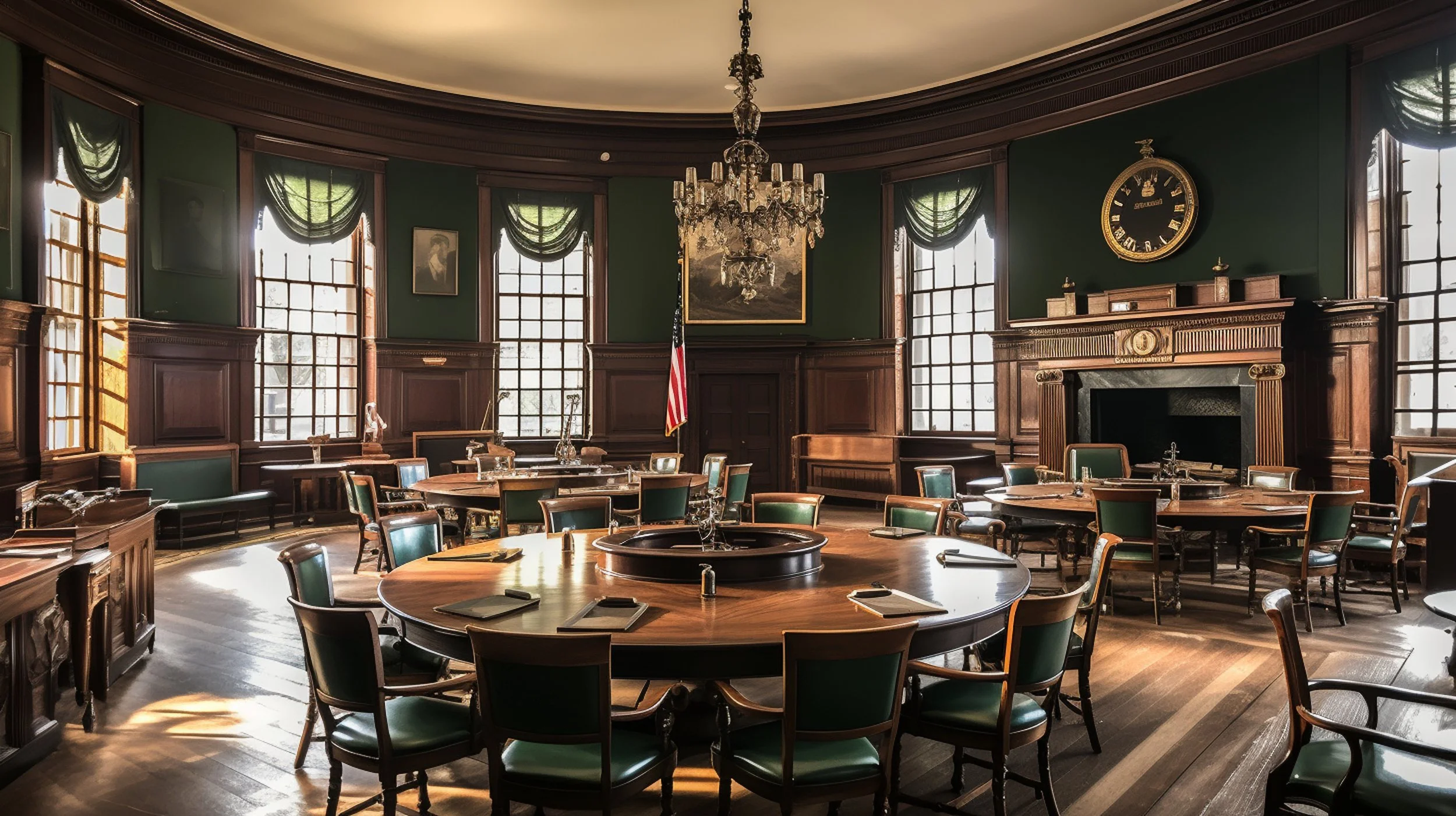
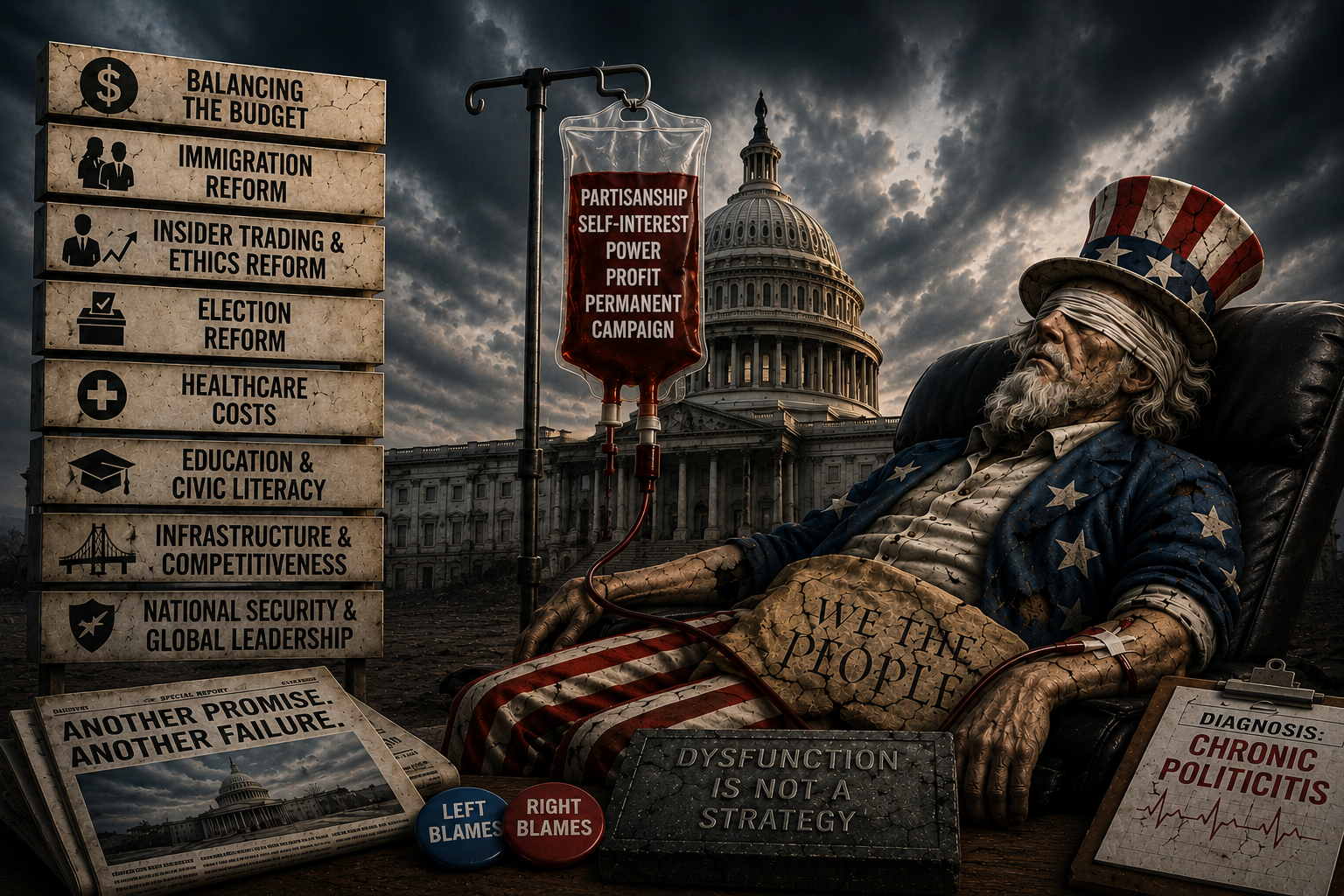
Image: Thomas generated with AI
Modern American politics is often loud, fast, and reactive.
Arguments unfold in minutes rather than days. Opinions form before facts settle. Political conversations frequently reward outrage more than insight.
Yet the American republic was not built in haste. It was built through argument – serious, sustained argument about the nature of liberty, power, and the responsibilities of citizens in a democratic society.
That tradition produced the American Constitution.
It also produced one of the most influential collections of political writing ever published: the Federalist Papers, written under the pen name Publius by James Madison, Alexander Hamilton, and John Jay.
Inspired by that spirit of constitutional debate, Thomas is launching a new weekly feature: The Publius Debates @ 250.
Why The Publius Debates @ 250?
The founders themselves rarely agreed.
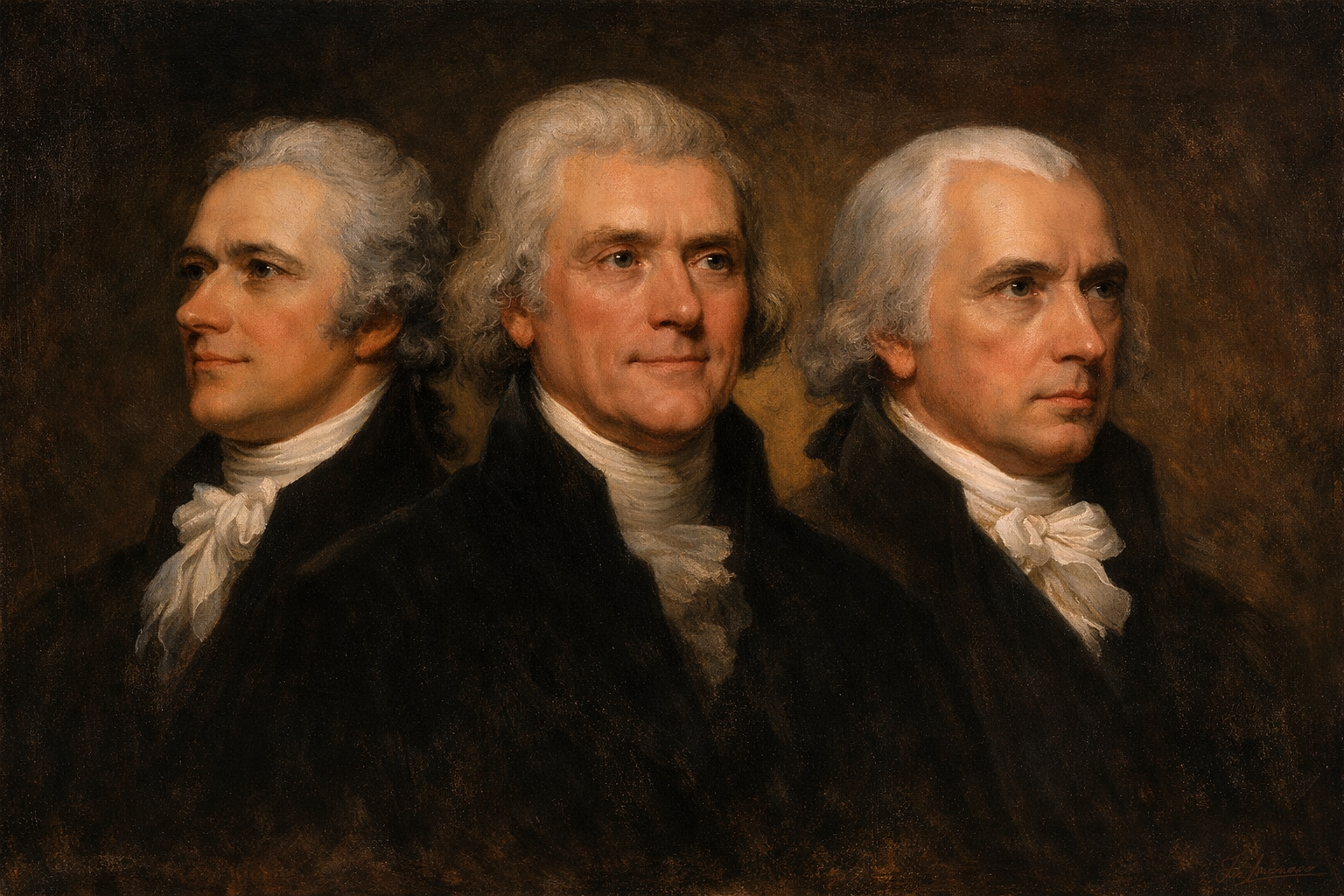
Thomas Jefferson and James Madison shared a commitment to liberty and republican government. Yet they differed sharply from Alexander Hamilton on the scope of federal power, the structure of the economy, and the pace of national development.
These disagreements were not weaknesses of the American founding. They were its strength.
Through vigorous debate, the founders refined ideas that shaped a constitutional system capable of balancing liberty, order, and democratic legitimacy.
The Publius Debates @ 250 seek to revive that spirit.
Each week, we imagine Madison and Jefferson in conversation about a contemporary challenge facing the republic. Occasionally, Hamilton will join the discussion to sharpen the exchange and introduce a competing vision of national power and economic vitality.
These dialogues are not historical reenactments. They are philosophical exercises – a way of examining modern political questions through the enduring principles of the American founding.
Why Debate Matters Today
The American political system is designed to slow decisions and force deliberation.
In Federalist No. 10, Madison warned that factions would inevitably arise in free societies.
The solution was not to eliminate disagreement but to structure institutions so that competing ideas could confront one another openly.
Modern politics often skips that step.
Arguments are reduced to slogans. Complex policy questions become tribal markers. Political disagreement becomes personal conflict.
The Publius Debates @ 250 aim to restore something different: thoughtful disagreement about how the republic should endure.
The First Debate
The first debate in this series, celebrating America’s 250th birthday, focuses on political chaos:
Jefferson
Gentlemen, the republic appears today overwhelmed by political spectacle. Citizens are encouraged to choose sides before they have chosen facts.
Hamilton
Public life, Thomas, has always contained theater. The danger is not spectacle itself, but whether capable leadership emerges from it.
Madison
The greater danger, Alexander, is an unchecked faction. The Constitution was designed precisely because political passions can overwhelm reason.
Jefferson
Then perhaps the question is not whether politics is loud but whether citizens remain thoughtful.
Hamilton
A nation cannot be governed by noise alone. At some point, leadership must impose order upon debate.
Madison
Order, yes. But always within constitutional limits, gentlemen.
If you want to know more about the topics covered in The Federalist Papers, read them here
The Purpose of the Series
The Publius Debates @ 250 will explore many of the issues confronting the United States today:
Political polarization.
Executive power and war.
Economic opportunity.
The future of democratic institutions.
The responsibilities of citizenship.
By placing these questions in the founders' mouths, the debate invites readers to consider how enduring constitutional principles might illuminate modern dilemmas.
In a time when political conversations often move too quickly to produce understanding, The Publius Debates @ 250 slows the discussion down.
They ask readers to pause, reflect, and engage with the ideas that shaped the American experiment.
The Thomas Standard
Thomas exists to revive a tradition that has too often faded in modern politics: serious civic argument for a serious republic.
Not partisan shouting. Not ideological conformity. But thoughtful disagreement about and advocacy for how the American democracy should endure.
The founders themselves rarely agreed.
Yet from their disagreements emerged a constitutional system strong enough to survive two and a half centuries so far.
Their debate remains our inheritance.
And now, through The Publius Debates @ 250, we continue it.