A Theory
Why American Politics Feels Broken and How It Can Be Rebuilt
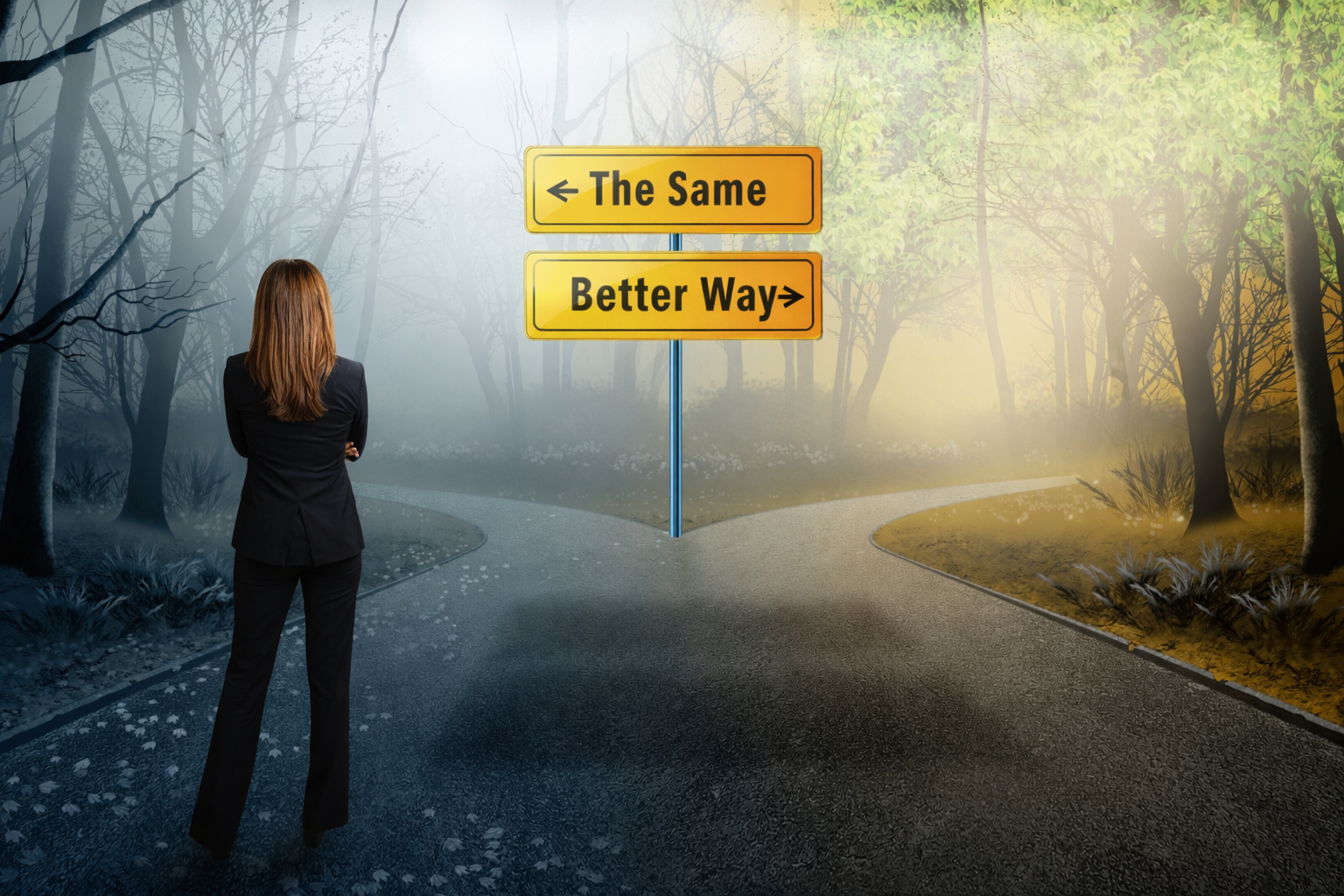
Image: Adobe Stock modified by AI with original by fotogestoeber
This may seem like a simple question with a complicated answer. Why does the American government feel like it is no longer working the way it once did?
Moreover, why does progress seem slower, division sharper, and trust weaker?
Many explanations can be offered:
Polarization.
Media fragmentation.
Partisan leadership.
Institutional failure.
But why? Each contains truth.
As someone who has studied and participated in American politics for five decades now, I can offer you a theory. A theory I am humbly calling the Everidge Civic Realignment Theory. A theory that offers a broader explanation. One designed not only for academics, but for citizens as well: America is not simply divided. It is realigning.
What Is Civic Realignment? (In Plain English)
At its core, the theory says this: The American people have outgrown the current political structure, but the structure has not yet adjusted to them.
For most of modern history, two major parties organized American political life.
They served as coalitions of ideas, vehicles for governance, and filters for leadership. But today, those coalitions no longer reflect how many Americans actually think.
Instead, we see:
Voters who are economically mixed (conservative on one issue, progressive on another).
Citizens who distrust both parties.
Growing numbers of independents (more now than either major political party).
The result is a mismatch. The system is still binary. The country is no longer so.
The Three Forces Driving Realignment
The Everidge Civic Realignment Theory identifies three major forces reshaping American politics:
The Collapse of Traditional Party Identity | There was a time when party affiliation provided a relatively stable identity. That has changed. Today, voters shift between positions, party loyalty is weaker, and issue-based thinking is stronger. People no longer fit neatly into “Democrat” or “Republican.”
The Rise of Independent Thinking | More Americans now identify as independents than at any point in modern history. This does not mean they are disengaged. It means they are skeptical of party structures, open to multiple perspectives, and frustrated by partisan gridlock. They are not outside the system. They are ahead of it.
Institutional Lag | The system has not kept pace with the people. Elections, primaries, media ecosystems, and governing structures operate as if two parties fully represent the electorate, compromise occurs within party frameworks, and leadership emerges through traditional channels. But those assumptions no longer hold.
What This Means for Government Today
This realignment helps explain many of the challenges Americans see.
Why Gridlock Has Increased | If parties no longer represent stable coalitions, it becomes harder to build lasting agreements. Leaders are negotiating not just with the other party but also within their own ranks.
Why Trust Has Declined | When voters feel unrepresented, they begin to distrust institutions, elections, and outcomes. Not always because the system is broken, but because it no longer feels aligned with them.
Why Politics Feels More Chaotic | Realignment periods are inherently unstable. Old structures weaken before new ones emerge. This creates a sense of unpredictability, conflict, and constant disruption.
Historical Perspective
This is not the first realignment in American history. The country has gone through several:
The founding era itself.
The Civil War realignment.
The New Deal coalition.
The Reagan-era shift.
Each period felt uncertain at the time. Each ultimately produced a new political balance.
The Risk in This Moment
The danger is not realignment itself. The danger is mismanaging it.
If the gap between the people and the system continues to widen, institutions lose legitimacy, governing becomes more difficult, and extreme voices gain influence.
Realignment can either lead to renewal or to prolonged instability.
The Opportunity
Handled well, this moment offers something rare: a chance to rebuild American politics to reflect the American people better.
This could include:
Broader coalitions beyond party lines.
More flexible policy approaches.
New forms of civic engagement.
Leadership that speaks to shared concerns rather than partisan divisions.
What Citizens Can Do
The Civic Realignment Theory is not just descriptive. It is practical.
It suggests that citizens should:
Think independently.
Evaluate issues, not just party positions.
Demand accountability from all leaders.
Engage in civic life beyond partisan identity.
In short, they can participate in the realignment.
Let’s be clear. The Civic Realignment Theory does not claim to solve every problem. But it offers a way to understand what is happening.
The system is shifting because the people have already shifted.
The question is not whether realignment will occur. It already is.
The question is whether Americans will guide that realignment toward greater stability, renewed trust, and a more functional republic.
The Thomas Take
At Thomas, we see this moment not as a collapse, but as a transition.
The founders themselves lived through a realignment of their own.
They did not inherit a perfect system. They built one.
Today’s generation faces a similar responsibility not to abandon the republic but to adapt it to the realities of the present age.