One Year In
Analysis by Ben Everidge for Thomas
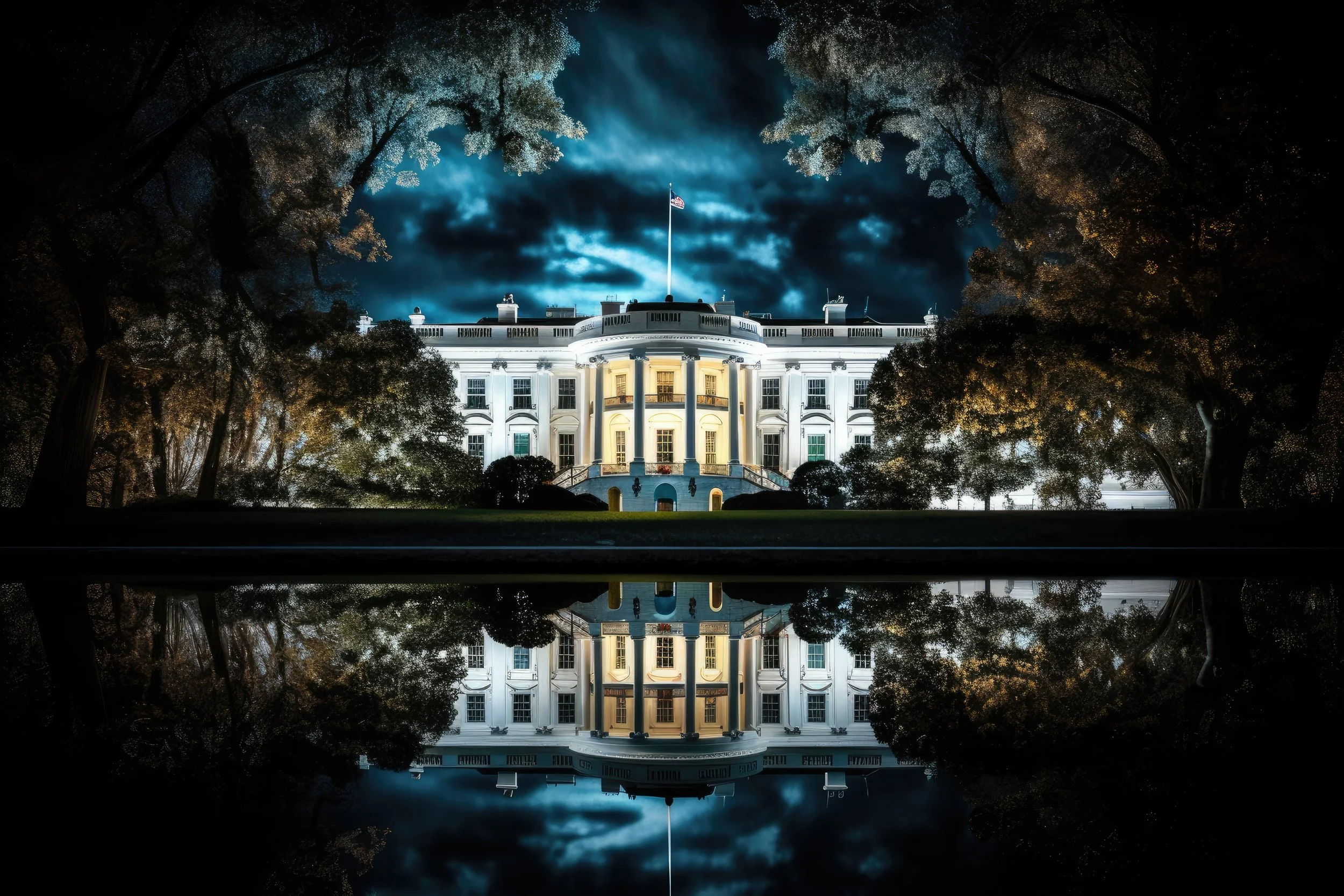
Photo Credit: Adobe Stock with AI By Distinctive Images
Trump’s Second Term and the Stress Test of American Government …
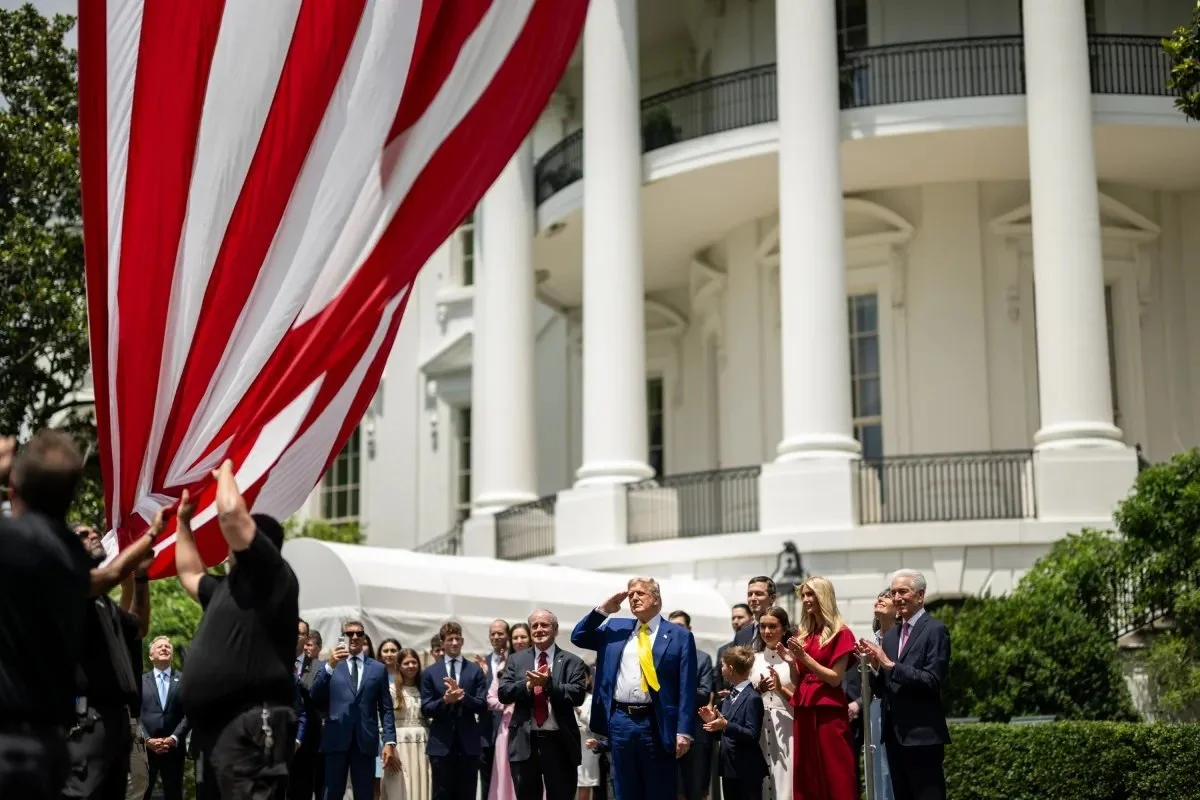
The first 365 days of Donald Trump’s second administration are in the history book and have functioned less like a honeymoon and more like a stress test of institutions, alliances, norms, and the public’s tolerance for permanent disruption.
As the White House moves into year two with three years remaining, the central question is no longer whether boundaries are being pushed, but how much strain the system can absorb before lasting damage sets in.
This is a moment that demands clear-eyed assessment, not reflexive partisanship, especially from political independents who increasingly occupy the governable, pragmatic center of American life.
The Best of the First Year: Decisiveness and Disruption with Purpose
To be fair – and analytically honest – Trump’s second term has not been without strengths,
1. Decisive Action, Quickly Executed
Supporters point to the administration’s willingness to act boldly, free from the paralysis that often defines Washington. On issues ranging from border enforcement to energy posture, the White House has moved swiftly, projecting resolve and clarity of command.
2. Forcing Long-Ignored Conversations
Trump has compelled debate on subjects many leaders avoided: alliance burden-sharing, the limits of globalization, the failures of bureaucratic opacity, and the political alienation of non-college, non-elite voters. Even critics must concede that these conversations are now unavoidable.
3. Reassertion of Executive Confidence
After years of perceived drift, the presidency once again feels central to American governance, capable of shaping events rather than merely reacting to them.
These are not trivial accomplishments. But decisiveness without discipline is a double-edged sword.
The Worst of the First Year: Boundary-Pushing Without Guardrails
Where concern deepens, and where history will likely be less forgiving, is in the administration’s repeated willingness to test constitutional and diplomatic norms simultaneously.
1. Constitutional Pressure Points
From rhetoric aimed at independent institutions to proposals that blur the separation between law enforcement and political power, the administration has treated guardrails as inconveniences rather than safeguards. The Constitution is resilient, but not indifferent, to sustained pressure.
2. Alliance Undermining as Strategy
Longstanding alliances have been treated transactionally rather than strategically. Public disparagement of the North Atlantic Treaty Organization (NATO) and strained relations with partners such as Denmark may play well domestically in some quarters. Still, they weaken the architecture that has underwritten American global leadership since World War II. Alliances are not charity; they are force multipliers. Undermining them diminishes U.S. leverage precisely when geopolitical competition is intensifying.
3. Governing Through Chaos
A pattern has emerged: generate controversy, dominate the news cycle, force institutions to react, then move on. This approach exhausts public trust and normalizes instability. Markets, allies, and citizens alike are left guessing – not about policy direction, but about institutional reliability.
Why This First Year Matters More Than It Appears
The danger is not a single decision or statement. It is precedent accumulation.
When boundary-pushing becomes routine, what once shocked begins to feel normal. Future presidents, of any party, inherit expanded expectations of power and diminished norms of restraint. This is how republics drift, not through coups, but through habituation.
Year one sets the tone. And the tone has been unmistakably confrontational with the system itself.
The Independent Imperative
This is why political independents matter now more than at any point in recent memory.
Independents are not ideologues. They are the ballast in the system – the citizens most invested in outcomes over outrage, competence over chaos, and governance over grievance. When they organize, they do not seek to replace one orthodoxy with another; they prefer to restore balance.
A credible independent counterweight can:
Defend constitutional norms without defending bureaucratic failure
Support strong leadership without excusing abuse of power
Insist on accountability without weaponizing institutions
Reject chaos politics without reverting to complacent governance
In short, independents can articulate a vision of common-sense government that neither worships disruption nor tolerates stagnation.
Looking Ahead: The Next Three Years
If the first year was about testing limits, the remaining three years will determine whether those tests harden into permanent change or provoke a civic correction.
The system will not fix itself. Parties are too invested in their own narratives. The responsibility now falls to citizens and movements willing to say: enough, not to policy disagreement, but to governing by destabilization.
History does not ask whether leaders were entertaining. It asks whether they were constructive.
As Trump’s second term continues, the most consequential development may not be what the White House does next, but whether independent Americans finally organize to demand steadiness, stewardship, and sanity from their government.
Thomas exists to defend the architecture of American self-government. In 2026, that architecture needs defenders more than cheerleaders.