Pulpit Fight
Trump, Pope Leo, and the Danger of Turning Moral Authority into a Political Target
Opinion by Ben Everidge for Thomas
Image: Adobe Stock By EDER
Disclosure: Everidge is an American Catholic
The clash between President Trump and Pope Leo is not just another political spat. It is a warning sign to be taken seriously.
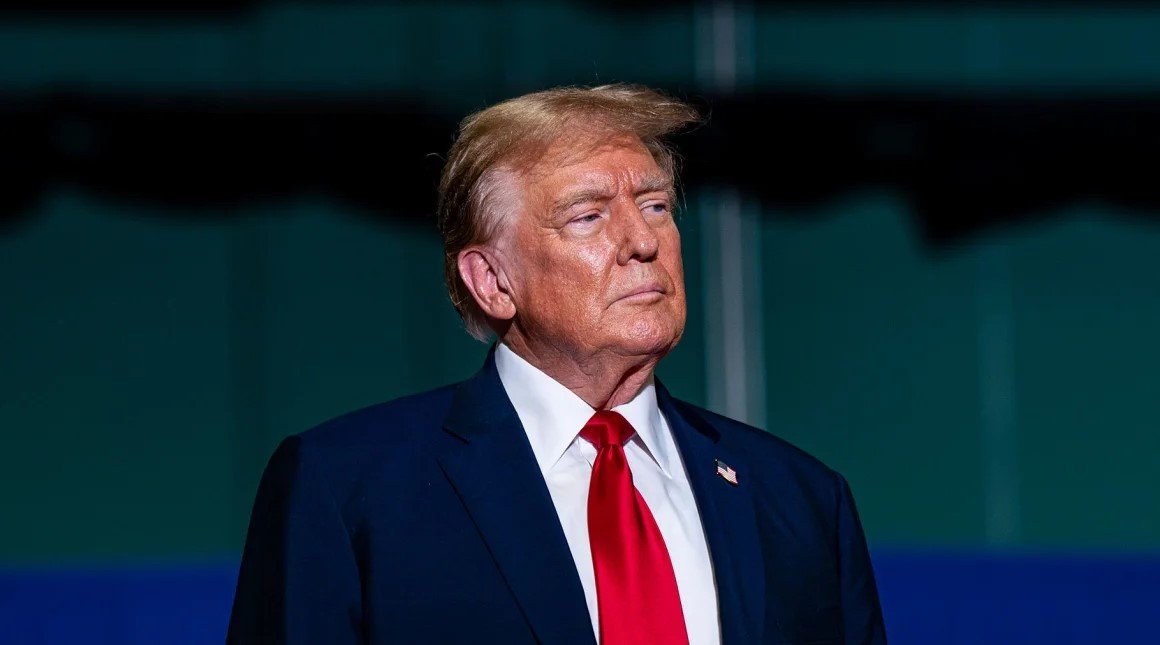
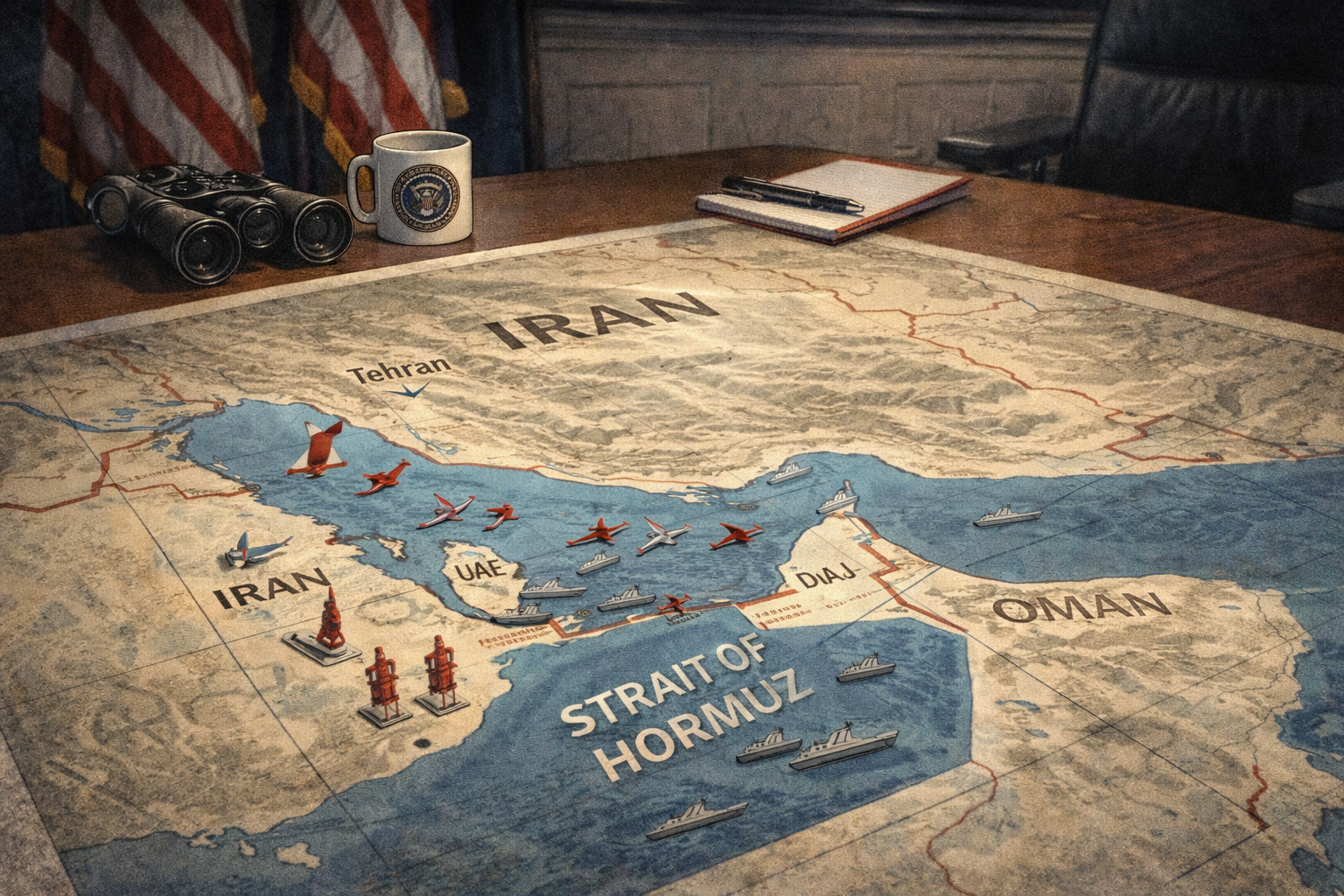
Trump, in his own Truth Social account, publicly attacked Pope Leo as “weak on crime” and “terrible for foreign policy” after the pope criticized the Iran War and defended a Gospel-based case for peace, compassion, and dialogue.
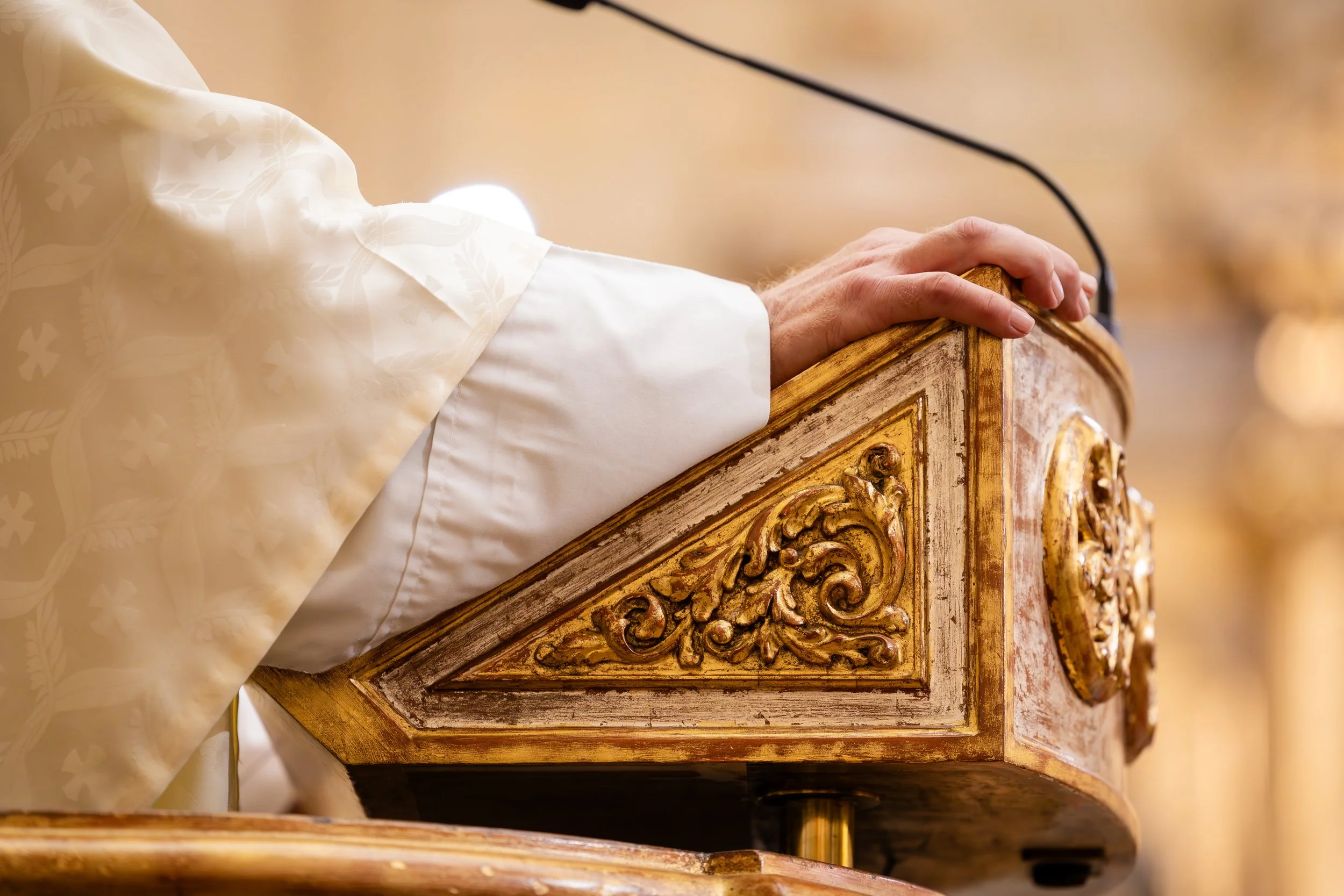
Pope Leo has responded that he was “not a politician,” that he was speaking from the Gospel, and that he would continue to speak against war.
Leo, of course, is the first U.S.-born pope and the spiritual head of the world’s 1.4 billion Catholics. In the United States, about 20% of adults identify as Catholic, or roughly 53 million Catholic adults.
That makes Donald Trump’s Sunday evening missive politically unwise, morally revealing, and constitutionally troubling.
The Issue is Bigger Than One Insult
The central problem is not that a president disagrees with a pope. Presidents may disagree with religious leaders. In a free country, they often will.
The problem is when a president treats the Church’s moral witness as though it were just another hostile political faction to be bullied, mocked, or threatened. Pope Leo’s comments were clearly rooted in traditional Catholic teaching on peace, human dignity, and the misuse of violence. That is not partisan maneuvering. That is the papacy doing what the papacy does.
A president who responds to that with personalized attacks is not merely quarreling with a churchman. He is signaling that moral criticism itself is intolerable when it constrains political power.
That should trouble Catholics and non-Catholics alike.
Why Catholics Should Take This Seriously
Catholics do not need to agree with every prudential judgment issued by a pope to understand the seriousness of this moment.
They – we – should recognize at least three things.
First, the pope is not being attacked for some narrow internal church matter. He has been attacked by the President for preaching on war and compassion in public life, which are squarely within the Church’s mission. Leo has defended his stance explicitly as Gospel-based and has rightly refused to reduce his office to politics.
Second, public contempt for the pope from the White House placed Catholic voters in a false choice between faith and faction. American Catholics should reject that choice. A Catholic citizen can support national defense and still believe war must remain bound by moral law. Those are not contradictions. They are the normal demands of Catholic moral reasoning.
Third, this is politically foolish of the president – yet again. A president already carrying public controversy weakens himself further by opening a fresh front against a major religious community, especially one with deep institutional memory, broad ethnic diversity, and measurable national reach. Pew’s 2025 data make plain that Catholicism remains one of the country’s largest religious communities.
Why Non-Catholics Should Care Too
This is not only a Catholic issue. It is an American one.
The First Amendment protects religious liberty not because every church is always right, but because free religion is one of the few moral counterweights to government power.
The National Constitution Center notes that the Establishment Clause provides the legal framework for managing disagreement about religion’s public role in a pluralistic republic.
When presidents use state power or presidential megaphones to delegitimize religious criticism, they weaken that framework.
In plain English? If a president teaches the country that churches may speak freely only when they flatter power, then religious liberty has already begun to shrink.
Has This Happened Before?
Not often in this form.
Direct public attacks by a sitting U.S. president on a sitting pope are extremely unusual. The current clash is rare and surprisingly escalating.
American history does offer cautionary parallels, though not exact matches.
John Quincy Adams argued in 1821 that the Roman Catholic Church was intolerant and incompatible with republican institutions; the Library of Congress notes that Bishop John England later publicly rebutted Adams in a sermon delivered in the House of Representatives attended by Adams himself. That episode illustrates an old American temptation: to turn suspicion of religious institutions into a test of civic legitimacy.
James Buchanan’s confrontation with the Mormon-led Utah Territory is another warning. Buchanan sent troops west in 1857, which became known as the Utah War; the Smithsonian recounts that the episode was so mishandled that it was later widely regarded as “Buchanan’s Blunder.”
The lesson is not that religious-political conflict is identical. It is that presidents who escalate conflict with religious communities often do not emerge looking stronger, wiser, or more constitutional.
There is also this counterexample worth remembering: John F. Kennedy’s 1960 Houston speech did not attack religion. It defended a model of public life in which neither church nor state dominates the other. The Miller Center at the University of Virginia preserves Kennedy’s formulation that a president’s religion should neither be imposed on the nation nor imposed by the nation as a condition of office. That remains the healthier American model.
The Moral Contradiction Problem
There is also a plain political fact here. Presidents who attack the Church’s moral witness invite scrutiny of their own moral credibility.
That does not mean politics should become tabloid judgment. It does mean that a president who mocks a pope for preaching peace and compassion will inevitably be measured against his own record of conduct, truthfulness, and restraint. In such a comparison, the papacy usually has the stronger footing – and certainly does in the case of Donald J. Trump vs. Pope Leo.
What Should Catholics Do?
Catholics should do five things in response to President Trump’s position against Pope Leo and the American Catholic leader.
They should stay anchored in Catholic teaching rather than partisan reflex.
They should defend the pope’s right and duty to preach the Gospel in public life.
They should refuse to let their faith be reduced to one issue, one party, or one politician.
They should demand from political leaders a tone of respect toward religious office, even amid disagreement.
They should remember that a Catholic response need not be theatrical. It can be serious, civic, and calm. We should write, speak, vote, organize, and insist that moral witness is not treason.
What Should the Country Do?
Non-Catholic Americans should see this clearly: a president of the United States threatening or degrading religious institutions for opposing cruelty, excess, or uncivilized war is not showing strength. He – President Trump – is showing continuing discomfort with restraint.
The healthy response is not sectarian backlash. It is constitutional seriousness.
Religious liberty must be defended. Moral criticism must remain free. The state must not intimidate the church, and the church must remain free to discomfort the state.
That balance has served the republic – our republic – far better than any temporary political strongman ever has.
The Thomas Standard
Judgment from independents is and should be straightforward.
Pope Leo is doing what a pope is supposed to do: speaking for peace, dignity, and moral restraint.
Mr. Trump’s attacks look less like principled disagreement than like an effort to punish a moral authority he cannot control and cannot measure up to. Trump’s own words and lifetime actions support that basic, compromised picture.
This is bad politics from the American president, and it is worse constitutional culture.
It is precisely the kind of moment when Americans, Catholic and otherwise, should remember that a republic needs more than force. It needs conscience, principle, and integrity.