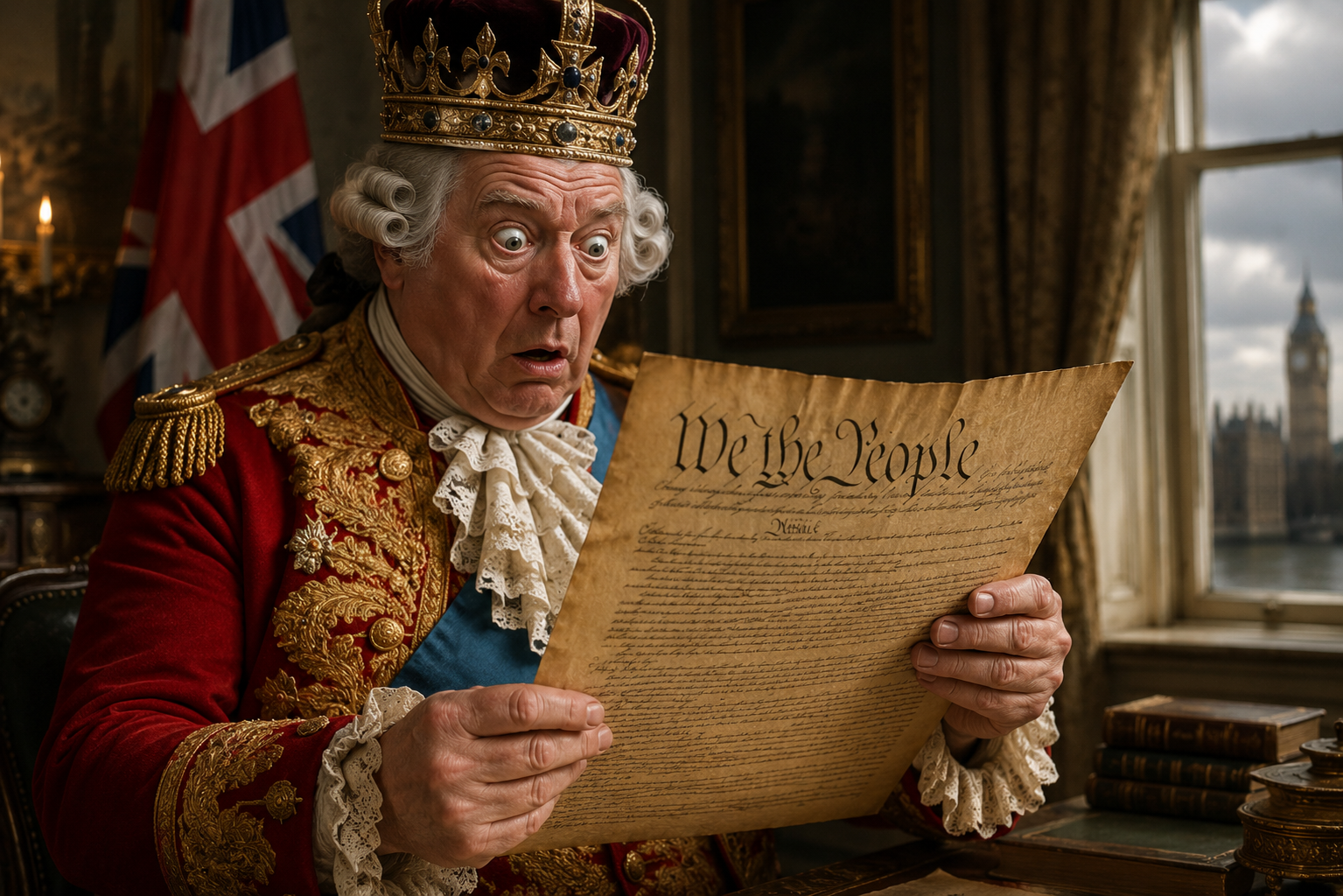
The Collapse of Trust
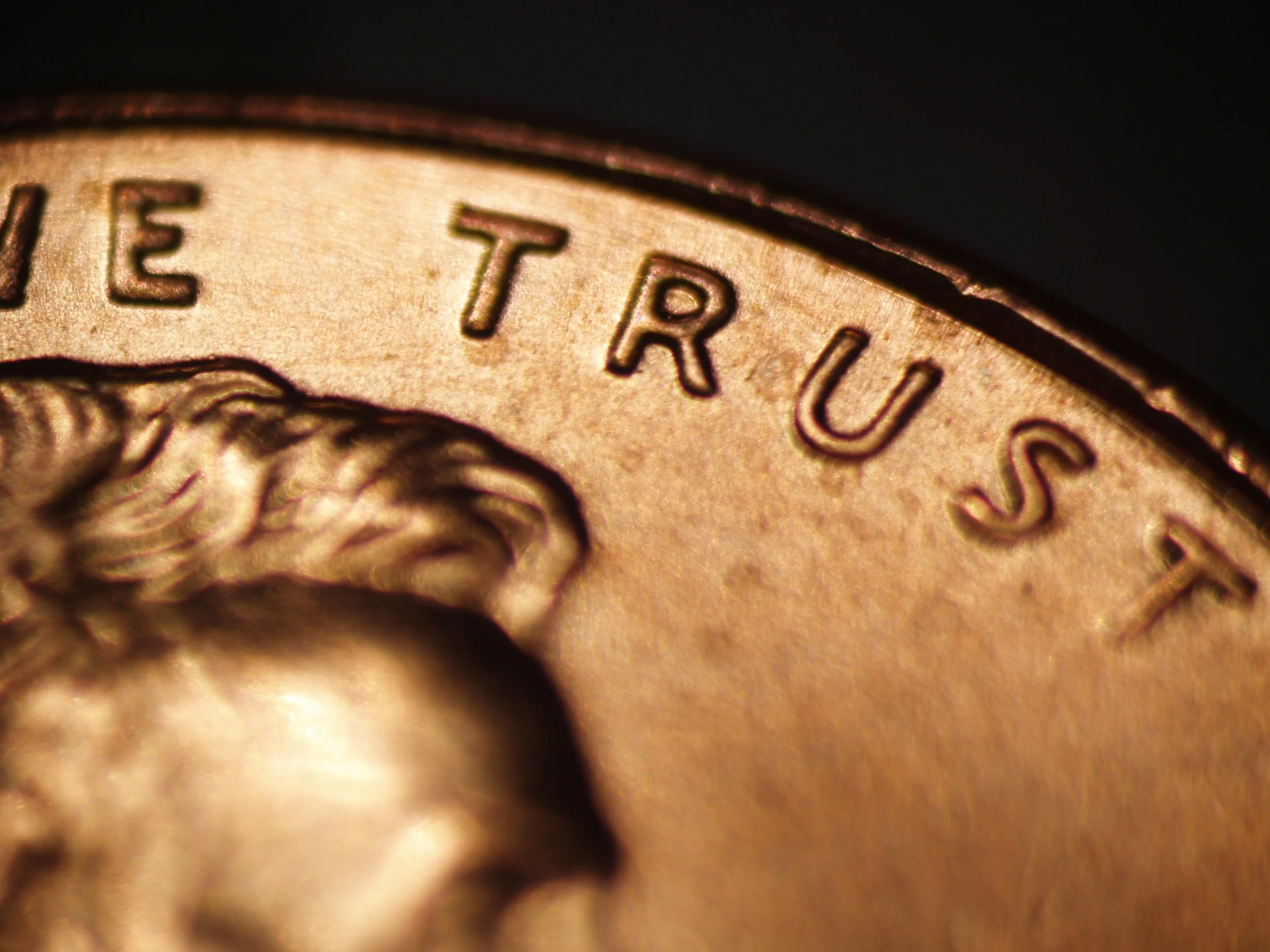
When Every Administration Loses the Benefit of the Doubt
Image: Adobe Stock by digerati
We are a republic running on skepticism.
There was a time when Americans argued with their government but still granted it a measure of trust.
Not blind trust. Not uncritical trust. But a working assumption that institutions, however imperfect, were attempting to operate within a shared framework of truth and responsibility.
That assumption is now gone.
Today, the defining feature of American civic life is not disagreement. It is skepticism without reserve – a reflexive doubt that spans administrations, parties, and institutions alike.
This did not begin with one presidency. And it has not ended with another. It has become a structural challenge for Americans and their America.
Trust is Lost in Moments, But Broken in Patterns
Trust does not collapse because of a single decision. It erodes through repetition when citizens observe a widening gap between what is said and what is done.
Across recent administrations, those gaps have taken different forms, but they have produced the same outcome – a public increasingly unwilling to accept official narratives at face value.
Under the previous administration, trust was trained by a communication style that blurred the line between assertion and verification. Statements were often delivered with certainty, even when underlying facts were contested or evolving. The result was not merely disagreement, but confusion, creating an environment in which citizens were left to determine for themselves what constituted reality.
At the same time, key institutional processes – from public health communication during the pandemic to post-election certification – became focal points of dispute. For many Americans, the question was no longer simply whether they agreed with the administration, but whether they believed it.
Continuity of Distrust in the Present
If the expectation was that a change in administration would restore institutional trust, that expectation has proven difficult to meet.
The current administration had faced its own credibility challenges, though of a different character. Where previous concerns centered on overstatement or confrontation, current skepticism often arises from perceived distance, opacity, and inconsistency.
Consider several areas where trust has been tested most recently:
Economic messaging that emphasizes aggregate strength, while many households continue to experience cost pressures, creates a perceived disconnect between the official narrative and the lived experience.
Policy communication that is often filtered through layers of language and interpretation, rather than delivered with direct clarity about tradeoffs and consequences.
Institutional response to complex issues – from border management to international conflict – where evolving positions can appear reactive rather than strategic.
In each case, the issue is not necessarily the decision itself. It is the perception that citizens are not being told the full story, or not being told it plainly.
The Common Thread: Credibility Under Strain
Despite differences in style and substance, the outcome across administrations converges: A growing portion of the public believes that information is managed rather than shared.
This perception has several consequences:
Official statements are interpreted through a lens of suspicion.
Independent verification becomes a default requirement.
Institutional authority diminishes, even when warranted.
Over time, this creates a dynamic in which no administration, regardless of intent, can easily regain the benefit of the doubt. And without that benefit, governance becomes more difficult.
Why Trust Cannot Be Recovered Through Messaging Alone
One of the central misunderstandings of modern governance is the belief that trust can be restored through an improved communication strategy.
It cannot.
Trust is not a function of messaging. It is a function of alignment between words, actions, and outcomes over time.
Citizens do not evaluate credibility based on a single statement. They evaluate it based on patterns:
Does the explanation match the result?
Are tradeoffs acknowledged or avoided?
Are mistakes admitted or reframed?
When patterns diverge, trust declines, even if individual statements are technically accurate.
The Independent Citizen and the Future of Governance
This environment presents both a burden and an opportunity for independent voters.
Independents are not bound to defend a single institutional narrative. They are more likely to compare, question, and recalibrate. In a low-trust system, these are not just personal habits. They are civic assets.
But independence alone is not sufficient.
If distrust becomes indiscriminate – if every institution is treated as equally unreliable – the result is not accountability. It is paralysis.
The task, then, is not simply to question authority. It is to evaluate it rigorously and consistently. To reward transparency when it appears. To recognize credibility when it is earned. To distinguish between error and intent.
This is more demanding than party loyalty. But it is also more necessary.
Toward a Standard of Earned Trust
If trust is to be rebuilt, it will not come through a return to older media structures or through partisan realignment alone.
It will require a renewed commitment, across administrations, to a more difficult standard:
Clarity over convenience.
Transparency over control.
Accountability over deflection.
These are not ideological commitments. They are institutional ones. And they apply equally, regardless of which party holds power.
A Republic Without Assumptions
The United States has entered a new phase of civic life. One in which trust is no longer assumed.
This is not entirely a loss. It can serve as a corrective, forcing institutions to operate with greater discipline and openness.
But it is also a risk.
A republic cannot function indefinitely on skepticism alone. It requires, at a minimum, shared willingness to believe that truth is knowable and that those in positions of authority are capable of conveying it.
If that willingness disappears, the consequences will extend beyond any single administration.
They will define the system itself.
Integrity Under Pressure
Trust, once broken, does not return on schedule. It returns slowly through consistency, honesty, and restraint.
It returns when citizens see not perfection, but integrity under pressure.
And it returns, if it returns at all, not because it is demanded but because it is earned.