The Gipper
By Ben Everidge for Thomas
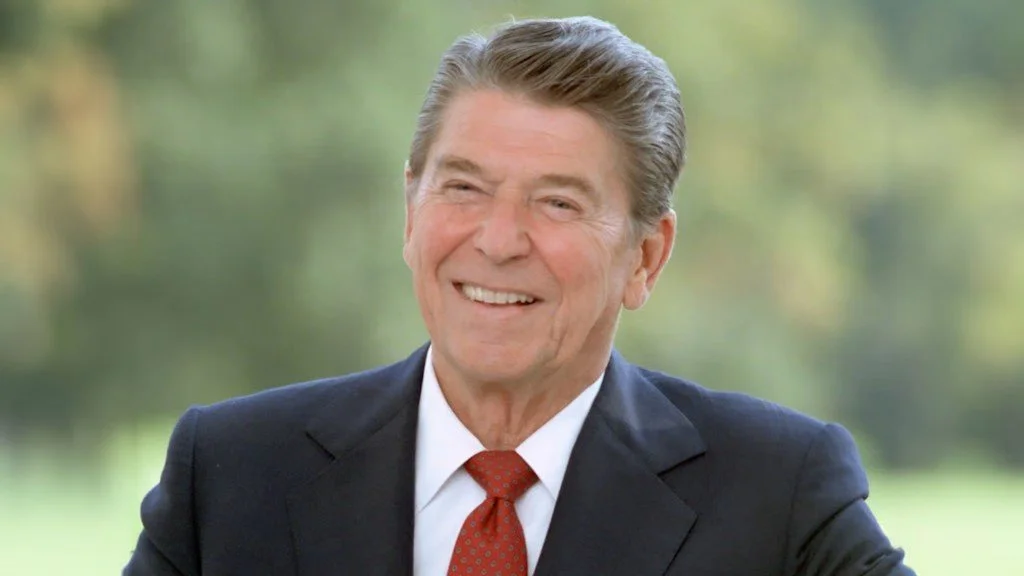
Image Credit: Ronald Reagan Presidential Foundation
Ronald Reagan, the Optimist, the Operator, and the Standard Today’s GOP No Longer Meets
Few modern presidents loom as large, or are as frequently invoked, as Ronald Reagan. Four decades after he left office, Reagan remains a touchstone for conservatives and independents alike: a leader remembered for confidence, clarity, and an almost disarming optimism about America’s future.
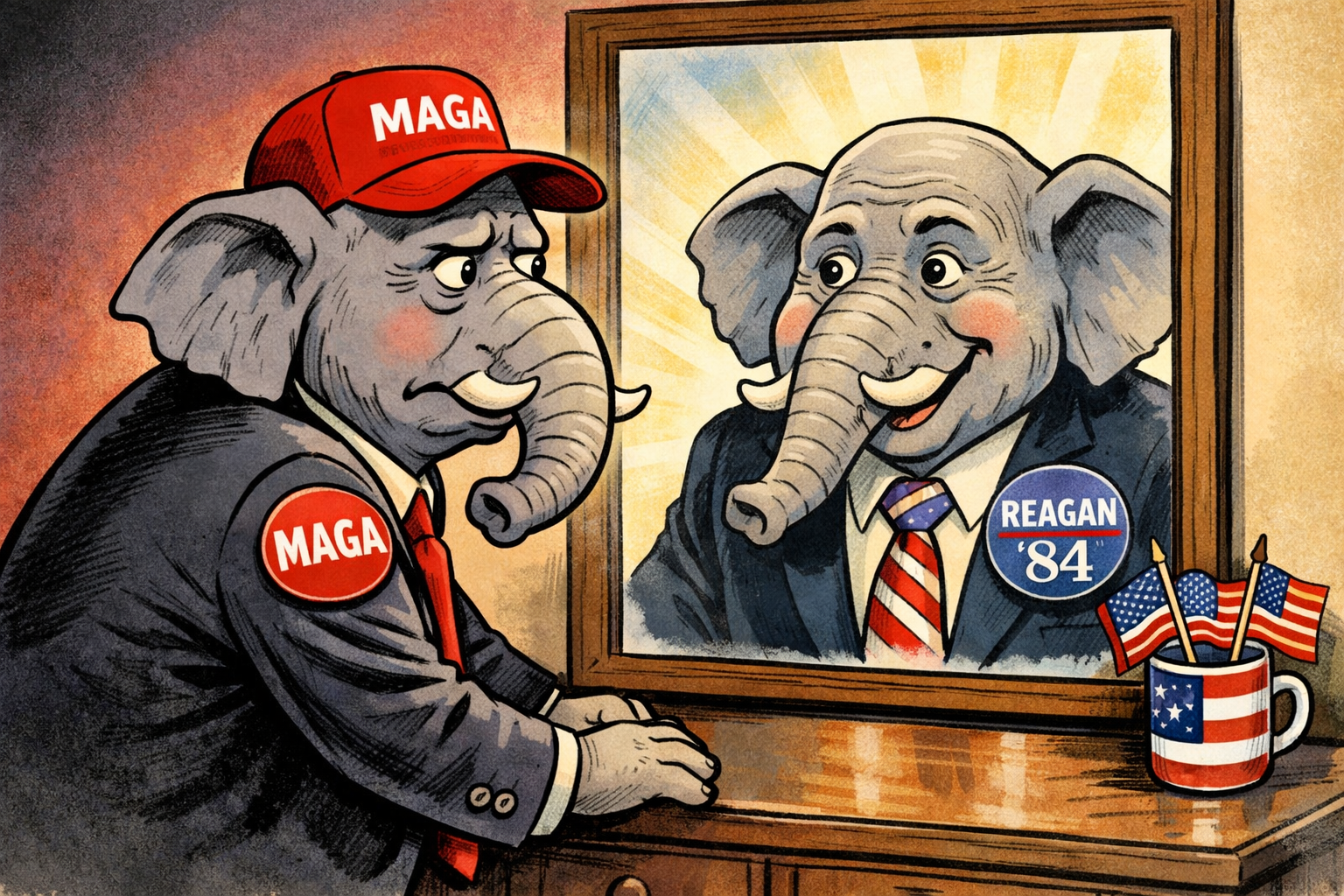
But nostalgia can blur reality. Reagan’s presidency deserves a clear-eyed assessment – what he achieved, where he fell short, and whether a figure like Reagan could even survive a modern MAGA-dominated Republican primary.
What Reagan Got Right
President Reagan had many successes as our nation’s 40th president, including:
1. Restoring National Confidence
Reagan took office at a moment of deep American malaise (Jimmy Carter’s word) with high inflation, geopolitical anxiety, and post-Vietnam self-doubt. His greatest accomplishment may not have been a single policy but a tone: America was not in decline; it was being renewed. That confidence mattered. It reshaped public psychology and political momentum.
2. Cold War: The Endgame
Reagan’s approach to the Soviet Union evolved from hardline rhetoric to pragmatic diplomacy. His willingness to negotiate arms reductions with Mikhail Gorbachev helped de-escalate nuclear tensions and set conditions for the Cold War’s end. The lesson often forgotten: strength and diplomacy were not opposites in Reagan’s worldview. They were partners.
3. Legislative Skill Without Legislative Control
Reagan governed with a Democratic House for most of his presidency, yet he passed major initiatives because he understood and embraced the art of persuasion. He worked closely – often cordially and certainly famously – with House Speaker Tip O’Neill, despite sharp ideological differences between the men and their political parties. They fought hard during the day and shared drinks at night. That relationship did not weaken Reagan’s agenda; it advanced it.
4. Political Communication as Leadership
Reagan’s charm was not superficial. He used humor and storytelling to disarm opponents and connect with voters across ideological lines. He explained the policy without contempt. He disagreed without demeaning. That alone sets him apart from much of today’s political class.
Where Reagan Fell Short
Mr. Reagan had his political challenges as well:
1. Ballooning Deficits
Despite rhetoric about fiscal discipline, Reagan presided over massive increases in federal deficits. Tax cuts paired with defense spending and insufficient spending restraint created long-term structural imbalances. Reagan believed growth would outrun debt. History proved less generous.
2. Iran-Contra
The Iran-Contra affair remains Reagan’s deepest failure of governance. While he avoided direct personal culpability, the episode revealed a troubling tolerance for end-runs around Congress and a lack of managerial oversight. It was a constitutional warning shot – one often minimized by admirers.
3. Social Policy Blind Spots
Reagan’s record on issues like AIDS and urban poverty reflected the era’s limitations and ideological rigidity. Compassionate rhetoric did not always translate into compassionate policy. Reagan was optimistic, but sometimes inattentive.
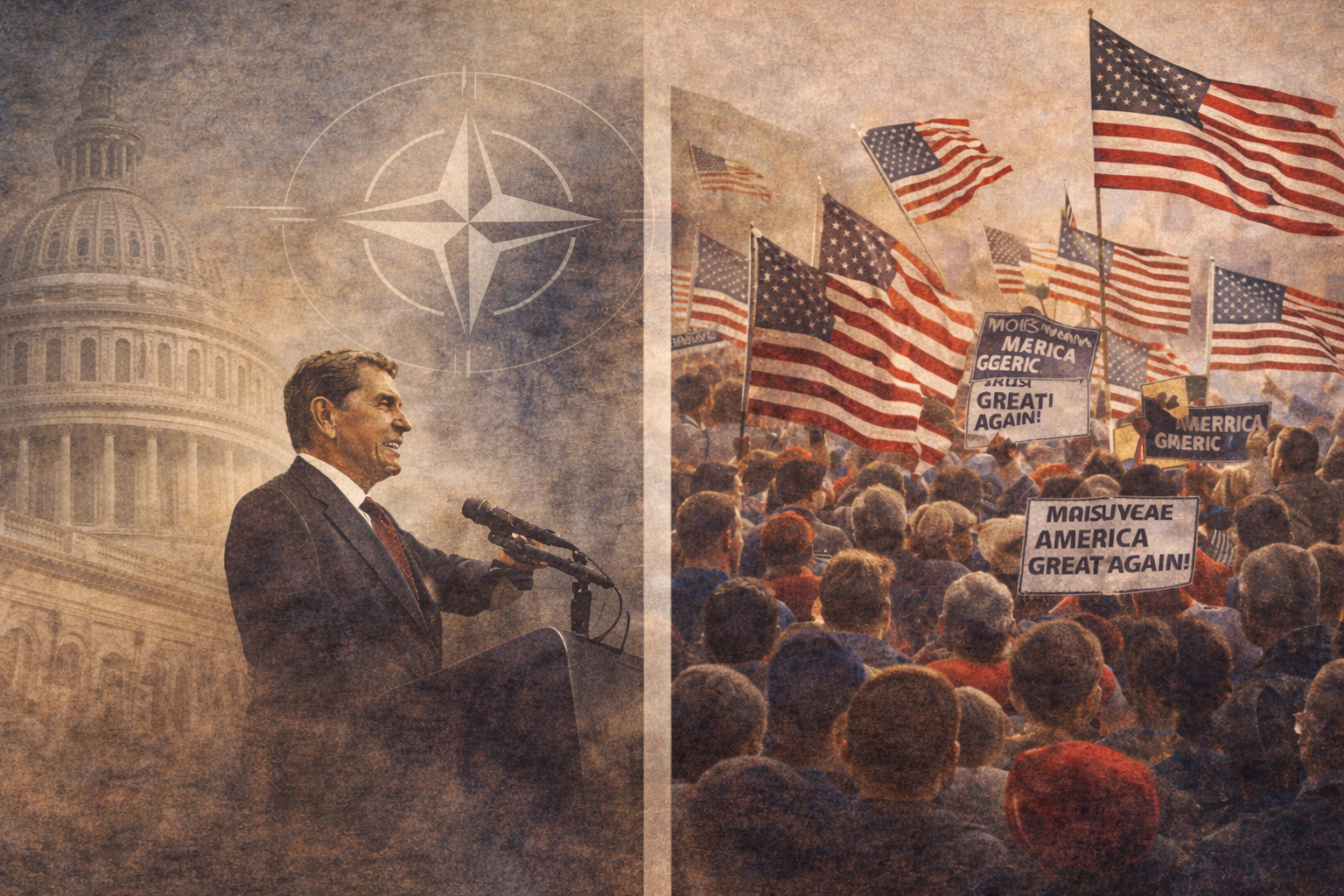
Reagan vs. MAGA: Could He Win Today?
This is the most uncomfortable question for modern Republicans. Reagan believed in:
Free trade.
Immigration as a source of national strength.
Strong alliances, especially the North Atlantic Treaty Organization (NATO).
Respect for institutions, even when they frustrated him.
Civility as a strategic asset.
In today’s MAGA-dominated GOP, those positions would be liabilities.
Reagan compromised. He negotiated. He trusted allies. He avoided personal vendettas. He did not govern by humiliation or permanent grievance.
In a modern Republican primary, Reagan would likely be attacked as:
“Weak on borders.”
“Soft on trade.”
“Too friendly with Democrats.”
“Captured by institutions.”
In other words, Reagan might struggle to survive the party he once led.
The Reagan Standard
Reagan’s enduring appeal is not that he was flawless. He wasn’t. It’s that he believed leadership required lifting people, not tearing opponents down. He understood that democracy depends on relationships, norms, and restraint as much as ideology.
He won decisively not by dominating institutions, but by persuading them.
That is a lesson many of his self-proclaimed heirs have forgotten.
Winning a Country
If Ronald Reagan were running today, he likely would not win a primary. But he would still understand how to win a country.
And that may be the most precise measure of how much American politics – and the Republican Party – have changed.
Thomas mediazine profiles leaders not to canonize them, but to measure how leadership itself has evolved and what we’ve lost along the way.