Mission Accomplished?

The Iran War Scoreboard Washington Cannot Avoid
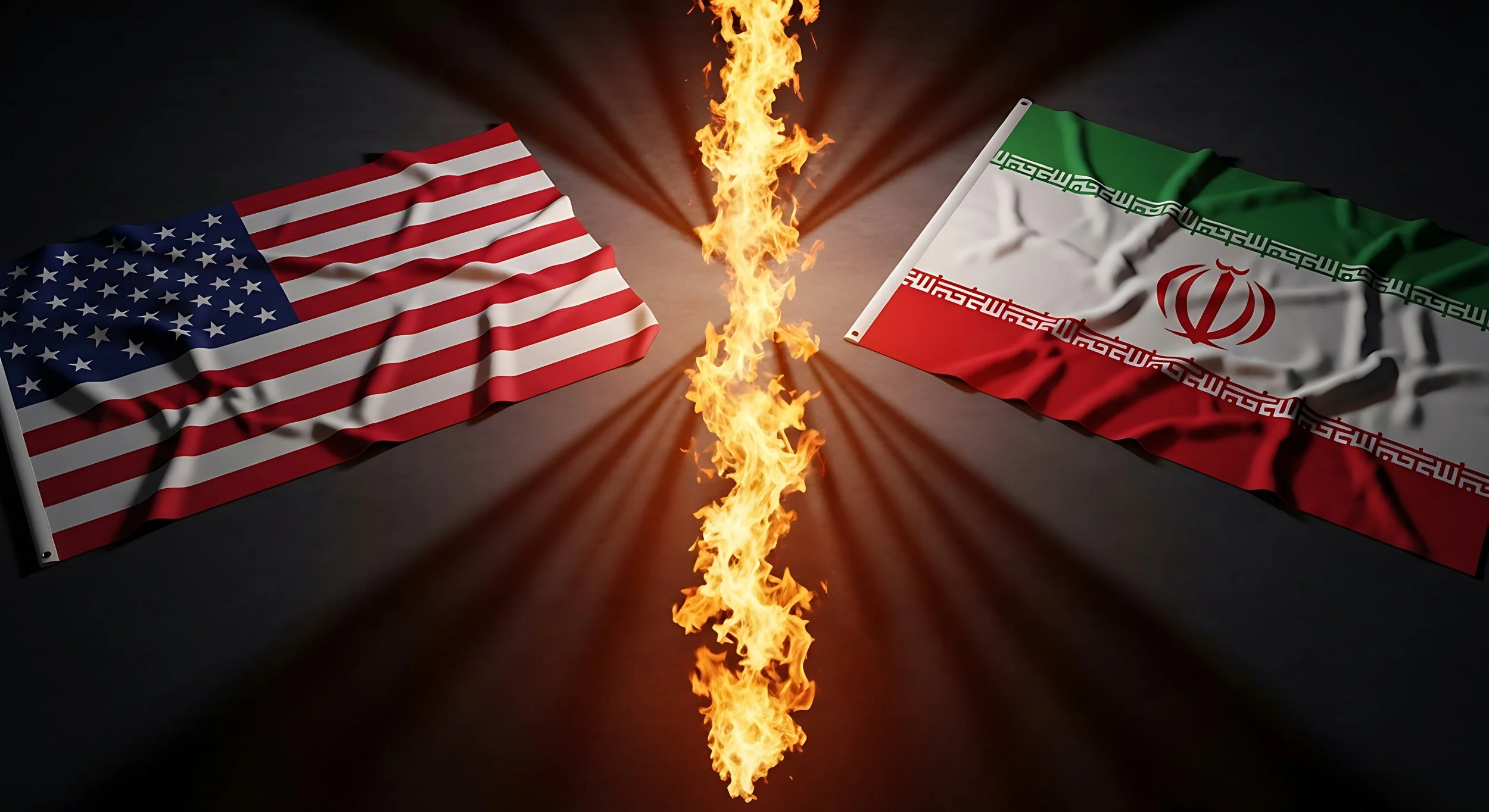
Image: Adobe Stock by UmerDraz
Applause lines should not judge wars. Objectives should be judged.
That is especially true in a constitutional republic, where military action carries enormous consequences for American lives, credibility, alliances, energy costs, and trust in government.
The Iran War was sold with large claims:
Iran’s nuclear threat would end.
Its missile capacity would be crushed.
Its proxy network would be weakened.
The Strait of Hormuz, which was previously open, would be secured.
Regional deterrence would be restored
American strength would be unmistakable.
Now comes the memorandum of understanding. And the question before the country is simple. Mission accomplished? Or mission redefined?
Because if the agreement bow being defended by Washington does not actually deliver the objectives that justified the war, then Americans deserve something more than slogans and platitudes.
They deserve a scoreboard.
The Scoreboard Test
Good government requires measurable outcomes. Bad government confuses motion with success.
So, let us ask plainly:
Did the United States achieve what it said it set out to achieve?
If the objective was to stop immediate fighting between the United States and Iran, the Trump administration could claim a short-term diplomatic result.
If the objective was to relieve immediate pressure in global energy markets, the administration may eventually be able to claim a temporary benefit in the weeks ahead.
But if the objective was to permanently end Iran’s nuclear ambitions, dismantle its missile program, neutralize its regional proxies, and reshape the strategic balance of the Middle East, the evidence is far from persuasive.
That distinction matters. A ceasefire when you started the war is not a victory. A pause is not peace. A negotiation window is not a complete strategy. And a memorandum of understanding, however much hyped, is not proof that the war achieved its stated purpose.
Hormuz Was Not the Prize
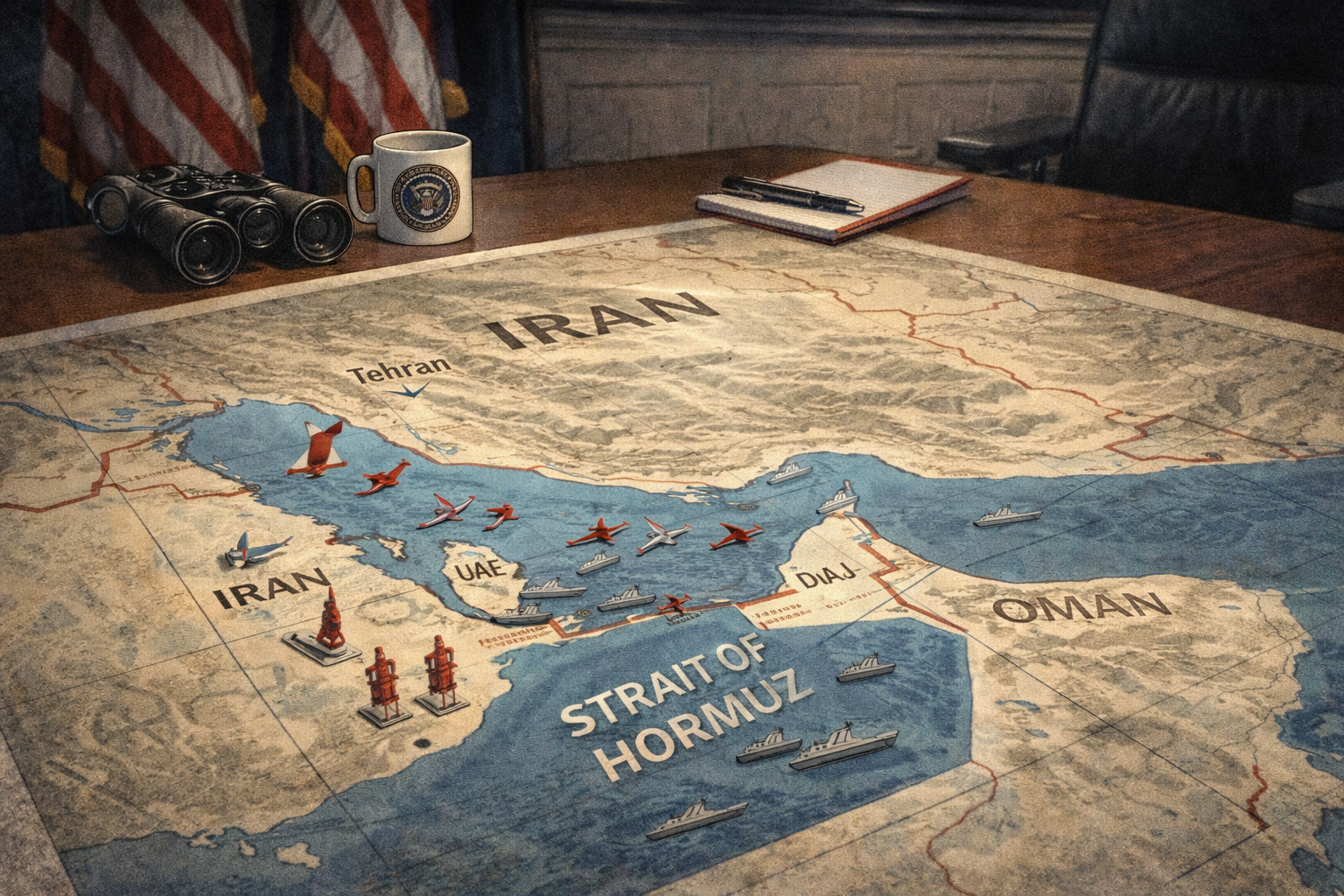
The Strait of Hormuz is now being described as a major achievement in the agreement.
That framing deserves scrutiny. Before this conflict, Hormuz was already open and free of tolls.
Before this conflict, the United States was not celebrating the prevention of tolls because tolls were not the operating norm.
If the outcome of the war is to restore the waterway to something closer to its previous commercial condition, that may be necessary. But it is difficult to label a triumph.
At best, it appears to be a recovery from damage created by escalation.
At worst, it risks becoming a new bargaining chip Iran did not possess in the same way before the conflict.
That is not strategic dominance. That is strategic regression.
The Nuclear Question Remains
The central stated rationale for the confrontation was Iran’s nuclear capability. That was the argument. That was the justification. That was the national security claim.
Yet the memorandum appears to postpone the most consequential nuclear questions to future negotiations.
That means the war did not resolve the central issue, far from it.
It was moved to the next table.
This is where Americans should be careful.
Diplomacy is not weakness. Negotiation is often necessary.
But war followed by negotiation over the same core issues raises an unavoidable question. Why was war necessary if the central objective still requires negotiation afterward?
That is not a partisan question, America. It is a governing question.
The Regional War Has Not Ended
The Trump administration may suggest that regional hostilities are winding down. But America does not control every battlefield.
Israel and Hezbollah remain locked in conflict. Lebanon remains unstable. Iran’s proxy network has not vanished.
Regional tensions have not disappeared.
The idea that Washington can announce regional peace simply because Washington wants the storyline is not a strategy. It is narrative management.
Good government must distinguish between what America can control, what it can influence, and what it merely hopes will happen.
The Middle East punished wishful thinking. It always has.
The Comparison Washington Cannot Escape.
Social media is already full of charts comparing the Obama and Trump Iran deals. Some of those comparisons are oversimplified.
Some are partisan, but the broader comparison is unavoidable.
The earlier Iran agreement was heavily criticized for failing to resolve the nuclear program permanently.
Now critics are asking whether this new arrangement does even less after far more risk, military escalation, economic disruption, and geopolitical uncertainty.
That is a fair question.
If one agreement was condemned as insufficient because it relied on inspections, limitations, and future compliance, then any successor agreement must be judged by the same standard, especially if it comes after the war.
The standard cannot be, and when they negotiate. Good when we negotiate.
That is not foreign policy. That is tribalism.
Did Iran Gain Leverage?
This is the uncomfortable question. Iran endured strikes. Iran suffered damage. Iran faced pressure.
But Iran also appears to have emerged with negotiations still alive, sanctions relief under discussion, oil sales potentially restored, and the most difficult nuclear questions deferred.
That does not necessarily mean Iran won. But it does mean America should be cautious before claiming victory.
A country does not prove victory by declaring it. It proves victory by achieving its objectives.
If Iran’s nuclear program remains unresolved, its mission capabilities remain materially relevant, its proxies remain active, and its regime remains intact. Americans are entitled to ask what precisely was accomplished beyond a costly return to negotiations.
Domestic Politics Cannot Become Foreign Policy.
There is also the political context. Wars do not occur in polling vacuums.
When public support weakens, presidents feel pressure.
When costs rise, voters notice.
When gas prices hurt, families understand the consequences faster than analysts do.
If this agreement was driven in part by domestic political pressure, that should not surprise anyone, but it should concern everyone.
Foreign policy should not be improvised to escape political gain.
Nor should military escalation be followed by diplomatic retreat dressed up as victory because polling has become inconvenient.
America deserves better than war as a theater and peace as a rebranding.
The White Flag Question
It may be too strong to say the administration waved a white flag. But it is not too strong to say this: The agreement appears to fall well short of the war’s advertised ambitions.
That is the central point.
If the administration now argues that the true objective was merely a ceasefire, then it should say so.
If the trust objective was to reopen Hormuz, it should explain why the conflict made it more secure than before.
If the true objective was stopping Iran’s nuclear program, then it must show how the government accomplishes that.
If the true objective was to end regional hostilities, then it must explain why those hostilities continue.
The burden of proof belongs to the leaders who chose escalation.
The Thomas Take
At Thomas, we do not measure presidential leadership by volume. We measure it by clarity, constitutionality, competence, and results.
Good government tells citizens the truth. Bad government defines objectives before the evidence arrives.
Good government defines objectives before action. Bad government changes objectives after action.
Good government respects the intelligence of the American people. Bad government assumes Americans will forget what they were promised.
The first casualty of war is often truth. The first duty of democratic government is to restore it.
Mission Accomplished?
Not yet.
Not by the original scoreboard. Not if nuclear capability remains unresolved. Not if missile capacity remains relevant. Not if proxy conflict continues. Not if Hormuz was merely returned to a condition closer to where it began. Not if America risked war only to resume negotiations over the very issue that reportedly justified the war in the first place.
A serious republic should demand serious answers.
The question is not whether the Trump administration can produce a headline. It does every day.
The question is whether it can produce proof. It falls short here almost every day.
Until then, “Mission Accomplished” is not a conclusion. It is a question Washington must answer.
Convincingly.